Protect your child’s spine and eyesight with the right sitting posture
For modern parents, there is perhaps no greater concern than the rising prevalence of hunchback and myopia among children at

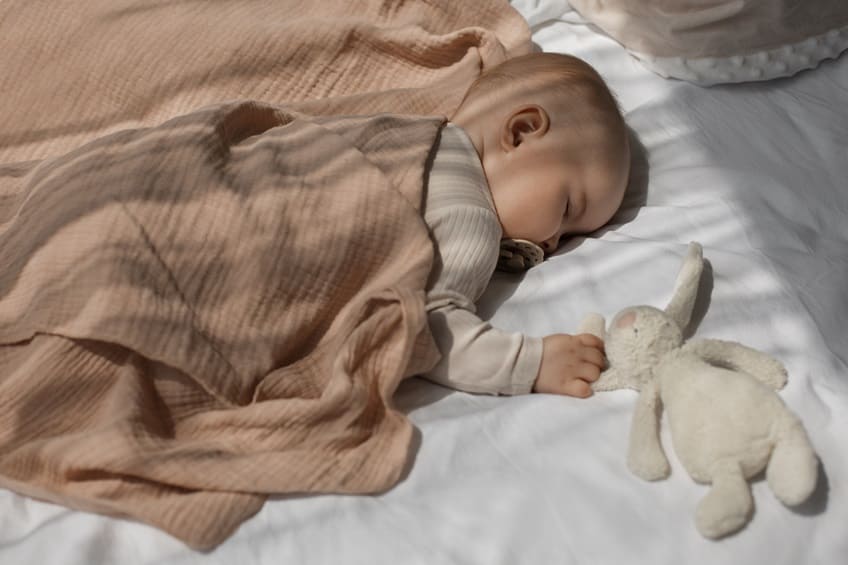
The greatest fear for new parents isn’t the mess of diapers – it’s the long, wakeful nights and the inconsolable cries of their newborn. In the stillness of the night, those cries can push both parents to the brink of collapse. The combination of physical fatigue and the stress of a baby who startles easily makes early parenthood feel like an uphill battle. When traditional lullabies no longer work, white noise acts as a ‘lifesaver’ to soothe a baby’s sleep. Yet, it only remains effective and safe if parents truly understand the science behind it and use it correctly.
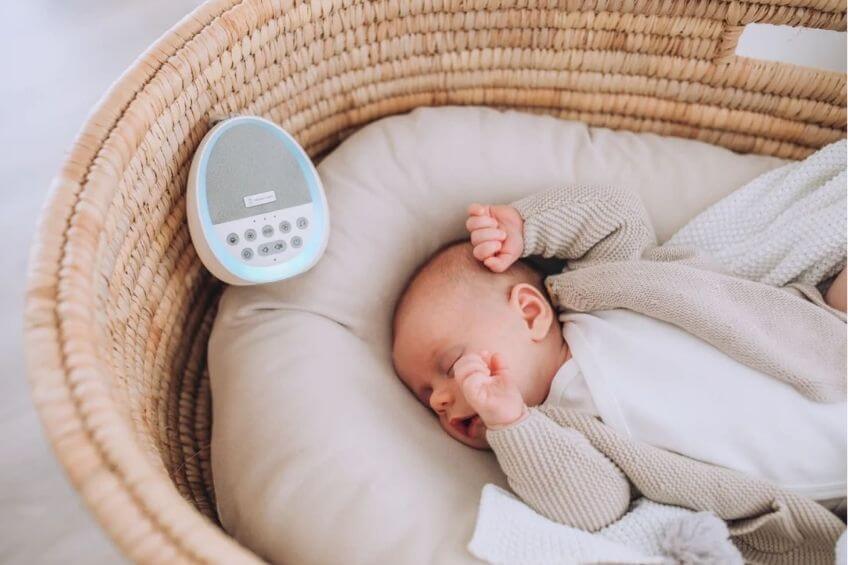
When we hear the word ‘noise’, we usually think of unpleasant sounds that disrupt our focus or cause headaches. However, white noise is a completely different concept in acoustic physics and sleep medicine. It is not a chaotic disturbance, but a specially structured sound frequency that provides relaxation and exceptionally effective sound masking.
White noise is defined as a collection of sound frequencies with equal intensity across the entire audible spectrum of the human ear. Just as white light is the convergence of all colors in the visible spectrum, white noise is the perfect interference of all sound frequencies. When these frequencies combine in a flat and stable manner, they create a ‘sound blanket’ that masks sudden, jarring noises from the environment – such as a slamming door, honking cars or a television in the living room. Due to this steady consistency, a baby’s brain remains unstimulated by abrupt volume changes, making it easier to maintain a restful state.
While white noise may sound unfamiliar to many, it is woven into our daily lives, often going unnoticed. In nature, it is the steady rhythm of rain falling on rooftops and leaves, the gentle babble of a forest stream, or the rhythmic crashing of ocean waves against the shore.
These are the most primal sounds that instill a profound sense of peace in humans. In the home, white noise is present in the consistent hum of a fan, the steady drone of a hair dryer or even the static from an old television. The common thread among these sounds is their continuous repetition without sudden shifts in pitch or volume, allowing a child’s mind to gradually calm down and drift away from the hustle and bustle of the outside world.
Read more: Things to avoid when caring for a newborn

A truth that few realize is that, for a newborn, the outside world can sometimes feel too quiet and empty. To understand why white noise possesses such a powerful soothing effect, we must journey back to the nine months spent in the womb. Scientifically speaking, the uterus is not an absolutely silent, soundproof chamber, on the contrary, it is a space filled with incredibly vivid sounds. A baby is accustomed to the rhythmic thumping of the mother’s heartbeat, the rushing sound of blood flowing through vessels and the gentle contractions of the digestive system – noises that can sometimes be as loud as a vacuum cleaner.
Therefore, when a baby is born and faces the outside world, the absolute silence of a room at night can actually become a source of anxiety. In these moments, white noise acts as a ‘soulful bridge’, recreating the most familiar memories of the womb. Upon hearing those steady, rhythmic sounds, the baby’s body automatically triggers a self – soothing mechanism, making them feel as though they are once again enveloped in their mother’s embrace. It eases a mind overwhelmed by new sensory experiences, providing the safety and confidence needed to let go of alertness and gently drift into a beautiful dream.

Using white noise in parenting is like wielding a double – edged sword, it requires parents to be well-informed, wise and moderate in its application. The credibility of a scientific parenting method lies not in immediate results, but in the long – term sustainability and safety of the child. To make the right decision for their baby’s development, parents must look at both sides: its profound soothing power and the necessary boundaries to ensure long – term auditory safety.
The most evident benefit that any mother can notice is the ability to quickly soothe a baby to sleep and significantly reduce unexplained crying. Especially during developmental leaps (wonder weeks) or for babies dealing with Colic, white noise acts as a natural sedative, helping to interrupt crying spells and refocus the baby on a stable sound. Furthermore, it is a powerful tool for blocking out unwanted household noises, allowing the baby to maintain longer sleep cycles without being startled by external factors like honking cars or siblings playing. When a baby sleeps well, it means the mother also gains precious time to recharge, ensuring she stays refreshed and fully present to care for her little one.
Although considered a lifesaver for many parents, white noise still carries potential risks if misused or overused. The greatest concern is the risk of hearing damage if the sound is played too loudly for long periods directly next to the baby’s ears. A newborn’s hair cells are incredibly delicate and easily affected by sound intensities that exceed safety thresholds. Furthermore, using white noise 24/7 can lead to an ‘audio dependency’, causing the baby to lose the ability to self-soothe in naturally quiet environments. This reliance can create challenges as the child grows or when moving to new environments, requiring parents to have a scientific plan for both its usage and gradual weaning.
Read more: 9 Essential secrets about newborn sleep every parent should know
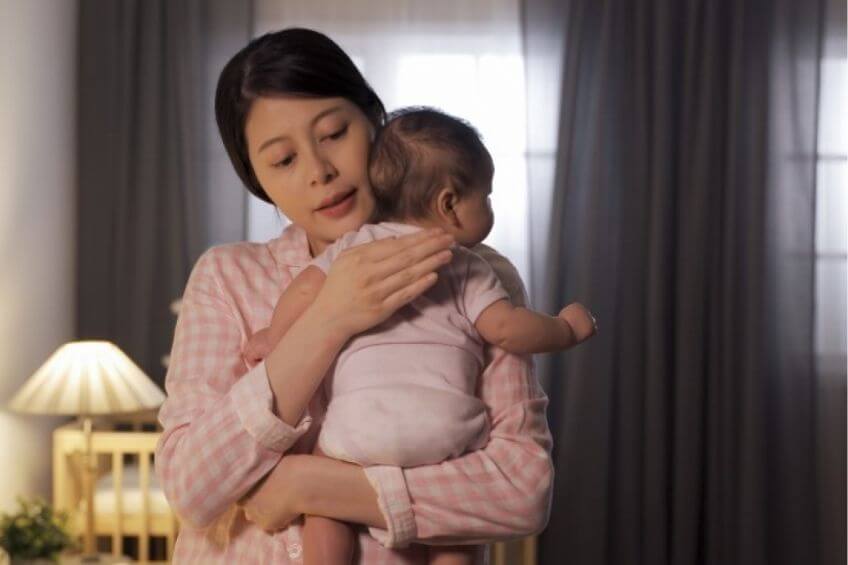
A child’s safety is always the top priority in every parental decision. For white noise to truly be an effective sleep aid without unintended side effects, we must adhere to strict principles regarding volume, distance, and duration. This is more than just a technical guide, it is a devoted shield for your baby’s delicate hearing and developing brain.
Many parents have the habit of increasing the volume when they see their baby crying, but this action can potentially damage the infant’s eardrums. According to pediatric experts, the absolute safe volume level for newborns should not exceed 50 decibels. This intensity is equivalent to a gentle rain shower or the steady flow of water from a showerhead. Maintaining sound at this threshold is sufficient to fill the space and soothe the baby’s nervous system without putting pressure on their delicate auditory organs. Parents can install decibel – meter apps to precisely monitor the sound intensity at the baby’s sleeping position.
Distance is a key factor in distributing sound pressure evenly. You must never place the white noise source directly inside the crib, on the pillow or close to the baby’s ears.
The ideal position is at least 2 meters (7 feet) away from the baby’s bed. Placing the device at a distance not only reduces direct sound intensity but also enhances sound dispersion throughout the room. This creates a uniform acoustic environment that blankets the entire space instead of focusing on a single point, allowing the baby to breathe easily and drift into a more comfortable sleep.
White noise should be viewed as a ‘sleep cue’ rather than a permanent soundtrack in a child’s life. Parents should only activate the device at the start of the sleep routine and utilize the timer function to automatically turn it off after 30 to 45 minutes, once the baby has officially entered a deep sleep stage. Creating natural periods of silence during the night helps the baby’s brain learn to adapt to the stillness of the real world, while simultaneously minimizing the risk of total dependency on devices to maintain sleep.
Read more: Surprising benefits of tummy time for your

The ultimate goal of any sleep aid is to help a child achieve independence in their own sleep. Like any other tool, white noise should only be a transitional phase to help the baby adjust to a new environment. The most suitable age to begin gradually reducing this dependency is typically between 6 months and 1 year old, when the baby’s nervous system is developed enough to independently process information from their surroundings.
This process requires patience and a gradual approach by slowly reducing the volume each night. Instead of cutting off the sound abruptly, parents should start by lowering the volume little by little over several days. During this transition, compensate with sleep cues that foster human connection – such as reading gentle stories, offering a relaxing massage or singing warm lullabies in your own natural voice. This gradual shift ensures the baby feels loved and secure through parental presence rather than relying on an electronic device, helping them develop a sustainable, lifelong instinct for independent sleep.
In our journey to accompany your baby’s sleep, Autoru India has encountered many common questions from parents regarding the choice of sound – making tools. When it comes to using a mobile app versus a dedicated machine, the answer lies in safety: dedicated devices are always superior. They provide a ‘clean’ sound frequency, free from electromagnetic waves or blue light that can harm a baby’s brain and skin. Most importantly, they are not interrupted by unexpected calls or notifications that could startle your little one awake.
In addition, many mothers are curious about the differences between white, pink and brown noise. In practice, pink noise – with its deeper frequencies that mimic falling leaves or steady rain – is often praised for providing a more relaxing and profound sense of calm for both children and adults. Depending on your baby’s unique temperament, you can experiment with different frequencies to find the perfect rhythm that helps them settle in.
White noise is not merely a technical solution for sleepless nights, but a testament to understanding a newborn’s deepest instinctual needs. When used with wisdom and scientific caution, it becomes an exceptional companion, helping babies navigate the unfamiliarity of their early days to achieve profound sleep. Let white noise be the gateway to beautiful dreams and let a parent’s love be the perfect, fulfilling end to every child’s long night.
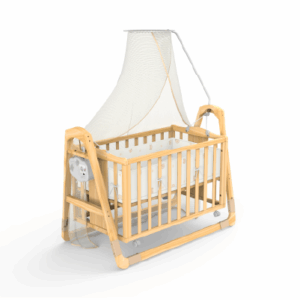
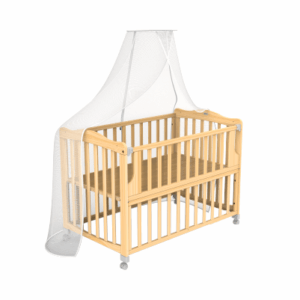
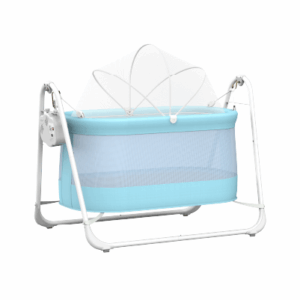
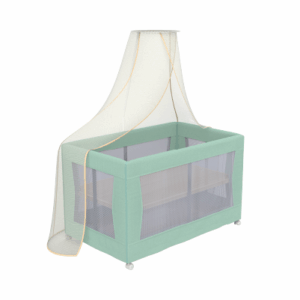
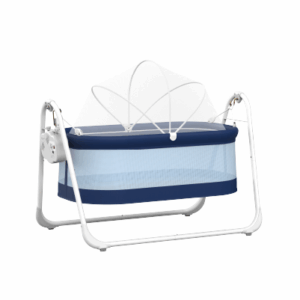
To help parents care for their children easily and efficiently while saving costs for the family, Autoru has manufactured the best, highest-quality baby products that meet strict safety standards. We encourage parents to explore Autoru’s India product offerings!
Automatic Cradle
Baby Cot
Baby Hammock
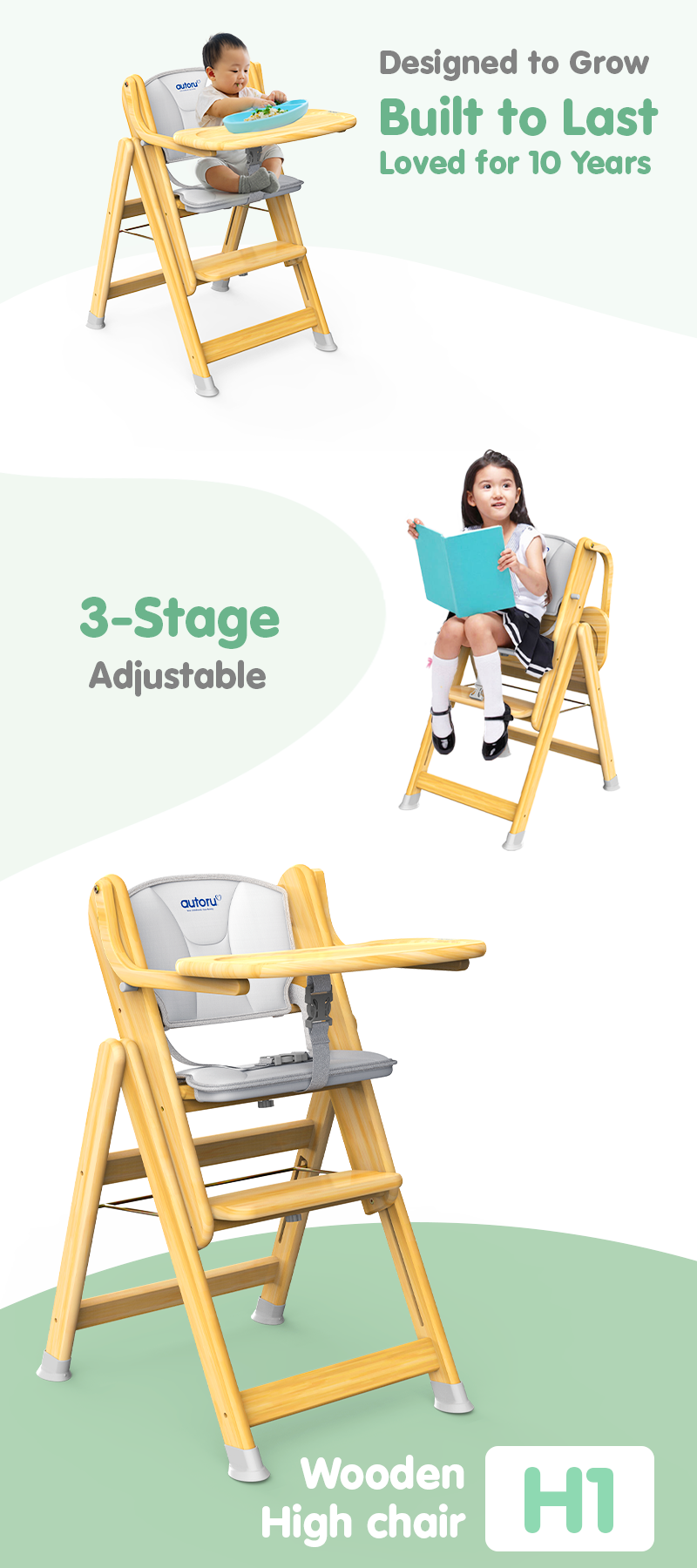
High Chair For Baby
Baby Bouncers Rockers
For modern parents, there is perhaps no greater concern than the rising prevalence of hunchback and myopia among children at

Almost every expectant mother experiences morning sickness during her pregnancy journey. In this phase, cravings often take over – some

Are you a distributor looking for a reliable source of baby products but unsure where to turn? Look no further