Tummy time is a method crucial for a child’s development, aiding their physical, cognitive, and visual growth while simultaneously promoting body awareness. So, what exactly is tummy time, and what are the key benefits of this practice for infants? Join Autoru as we explore tummy time and the essential exercises for your baby.
What is tummy time?

Tummy time, often referred to as “Belly Time,” is an exercise where the baby is placed on their stomach for short, supervised sessions daily. This practice is crucial for helping the baby strengthen their core, neck muscles, and develop essential motor skills.
This Tummy time method equips the baby with the necessary skills, making it quicker and easier for parents to teach them to roll over and crawl. It is a scientifically proven, beneficial parenting approach that is widely adopted by families around the world.
The unexpected perks of tummy time for infants
When parents practice regular and proper tummy time exercises with their baby, it supports development in several key areas:
- Develops Core Muscles (Neck, Back, and Shoulders): Strong development in these foundational areas makes the baby’s body more robust and is crucial for easy movement and overall physical strength.
- Builds a Foundation for Rolling, Sitting, and Crawling: Regular tummy time helps the baby become familiar with using their body muscles to lift and support themselves. This significantly increases their ability to roll over, sit up, and crawl sooner than babies who do not practice.
- Enhances Motor, Visual, and Sensory Development: Practicing tummy time encourages the baby to look around, move, and turn their head, improving their visual perception as they observe the surrounding space.
- Develops Tactile Sensation: Feeling different textures (blankets, mats, etc.) on the baby’s arms, hands, and cheeks aids in the crucial development of the sense of touch.
- Aids Development in Babies with Down Syndrome: tummy time helps babies with Down syndrome (a congenital disorder) develop motor skills more rapidly.
- Promotes Body Awareness and Control: When the baby performs tummy time movements, the shift in body weight creates a feeling of self-awareness, teaching them how to perceive and control their own body.
- Develops Movement and Balance Skills: Placing the baby in different postures during the exercise helps develop crucial skills in movement and balance.
- Fosters Hand-Eye Coordination: By looking down at their hands, the baby observes how they move and learns what their hands can do.
- Prevents Flat Head Syndrome (Plagiocephaly) and Wry Neck (Torticollis): Tummy time relieves the continuous pressure placed on the same area of the baby’s thin skull, helping to prevent these common conditions.
- Tummy time also helps the baby’s digestive system develop better
Read more: The best nutrient rich foods for pregnancy and expectant mothers
When can the baby start tummy time?

There is no official age limit for tummy time. The earlier parents start practicing with their baby, the faster the baby will get used to the prone position and the quicker they will begin rolling and crawling early. Since newborns have not yet developed strong muscles in their head, neck, arms, and back, parents should introduce tummy time gently and carefully to avoid causing the baby discomfort.
Parents should always ensure the baby practices when they are alert and happy so they can comfortably adjust to the posture. During the newborn developmental stage, close, bonding contact is essential; the mother should place the baby face-down on her own stomach or chest (often called skin-to-skin tummy time).
How long should tummy time sessions last?

The duration for tummy time depends on the baby’s age. Below are the recommended time guidelines:
- Newborn Stage: Practice for 1 to 2 minutes right after the baby wakes up, 2 to 3 times per day.
- 2 to 4 Months Old: Increase the duration to approximately 10 to 15 minutes per session, practicing 3 to 5 times per day.
- 4 to 6 Months Old: Practice for 15 to 20 minutes per session, 3 to 5 times per day.
- 6 to 12 Months Old: Practice for 15 to 20 minutes per session, 3 to 5 times per day.
However, since every baby has a unique body and temperament, parents should never force or push the baby with high intensity, as this can cause discomfort or potentially affect their health. Parents should allow the baby to happily adapt to tummy time to ensure the baby is joyful and comfortable during the exercise.
Read more: The following methods will help parents keep their baby warm as the weather turns cold
Tummy time activities to boost baby development
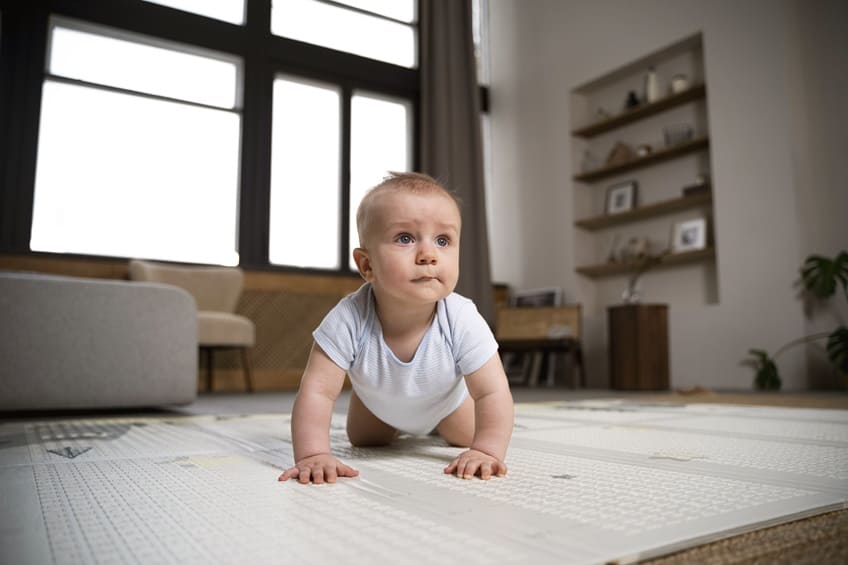
To help your baby develop and strengthen their neck, back, and wrist muscles for early rolling and crawling, the following tummy time activities will help build their strength:
- Basic Position: Place the baby on their stomach on a mat or on your chest/stomach so they can practice lifting their head. Hold this position for a few seconds initially. Gradually increase the duration of time the baby holds the posture.
- Using a Pillow or Soft Towel: Place a small pillow or soft towel under the baby’s chest to slightly elevate them. This makes it easier for the baby to lift their head and observe their surroundings.
- Tummy time on Parent’s Lap: Sit on a chair, sofa, or bed and place the baby across your lap. Gently pat or talk to the baby to encourage engagement and interest in their surroundings.
- Using Toys: Since all babies love toys, parents can place colorful toys directly in front of the baby to motivate them to reach and lift their head.
- Using a Mirror: Place a small mirror in front of the baby. Children often enjoy looking at their own faces, and this will stimulate them to practice lifting their head.
- Belly Lift: Place the baby on their stomach. Gently hold their arms and legs, lift their belly slightly, hold for a few seconds, and then gently lower them. This specific movement helps develop the baby’s back muscles.
- Tummy time together (Face-to-Face): Lie on your stomach facing your baby. Look at the baby, smile, and talk to them to help them feel comfortable and happy exploring the surrounding space.
When first introducing tummy time, parents should start slowly with short sessions and a gentle pace to allow the baby to adapt and get used to it. If you observe signs of non-cooperation or discomfort, you should stop immediately to ensure the baby feels comfortable, and you must never force the baby to continue if they are unwilling.
What are the key things to note when practicing tummy time?

- Practice Only During the Day: One critical point parents must remember when practicing tummy time is to only do it during the day, never at night, to avoid the risk of SIDS (Sudden Infant Death Syndrome).
- Avoid Immediately After Feeding/Sickness: Never practice tummy time immediately after the baby has finished a meal or when they are sick. Parents should wait until the baby has fully digested their milk before starting, or keep the sessions very gentle to prevent spitting up or reflux.
- Maintain Constant Supervision: Never let the baby practice tummy time alone, as this poses a serious risk. Parents must observe the baby and never take their eyes off them, even when the baby has developed the ability to lift their head well.
- Use a Firm Surface: Do not let the baby practice tummy time on overly soft surfaces like sofas or mattresses, as this makes movement difficult and risks the baby sinking too deeply. Parents should place the baby on a flat, firm, and safe surface.
- Alternate Head Direction: Parents must remember to alternate the direction the baby’s head is facing during practice. Failing to change the head direction can lead to unbalanced development of the neck muscles (Torticollis).
- Limit Large Props: Do not use large pillows or objects placed under the baby’s chest for prolonged periods, as placing excessively large items under the chest for a long time can negatively affect the baby’s posture.
- Pace Yourself: Finally, parents must not rush or force the baby to perform tummy time movements. Since every baby has a different body and constitution, there is no exact timeline when they can handle a specific prescribed intensity.
Tummy time is a highly beneficial activity that helps the baby develop muscle groups, enhance motor skills, and build a stronger, more robust body. However, parents should thoroughly research the proper techniques and warnings associated with tummy time to ensure safe and effective practice. We hope the information provided by Autoru India on tummy time exercises and guidelines proves helpful to parents for safe and effective practice.
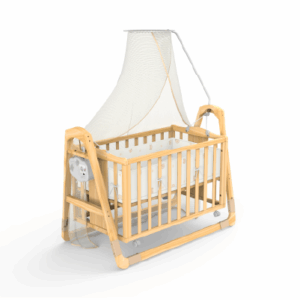
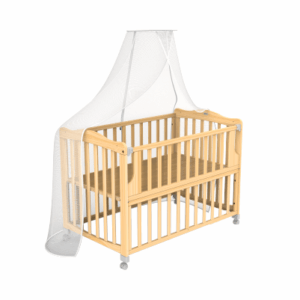
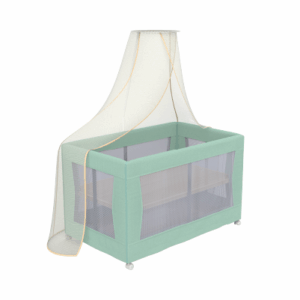
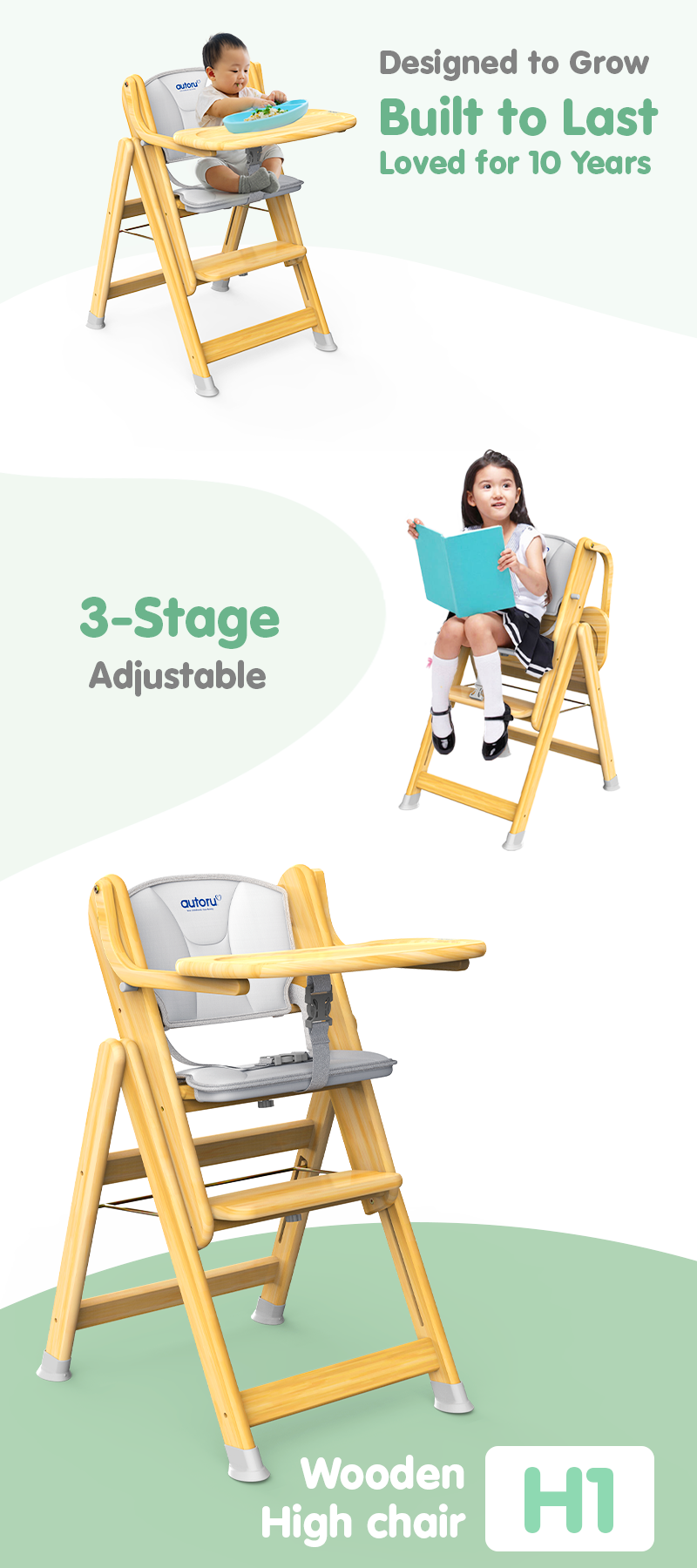
To help parents care for their children easily and efficiently while saving costs for the family, Autoru has manufactured the best, highest-quality baby products that meet strict safety standards. We encourage parents to explore Autoru’s product offerings!