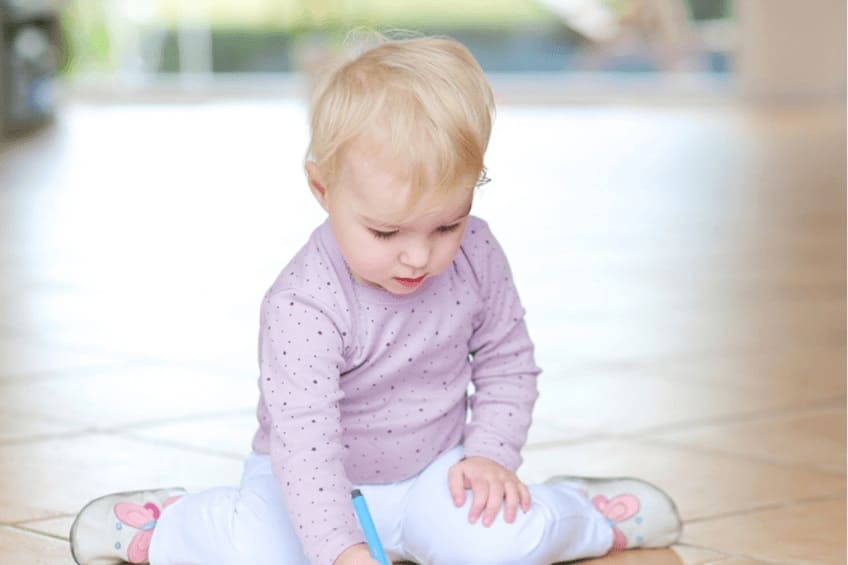
Protect your child’s spine and eyesight with the right sitting posture
For modern parents, there is perhaps no greater concern than the rising prevalence of hunchback and myopia among children at

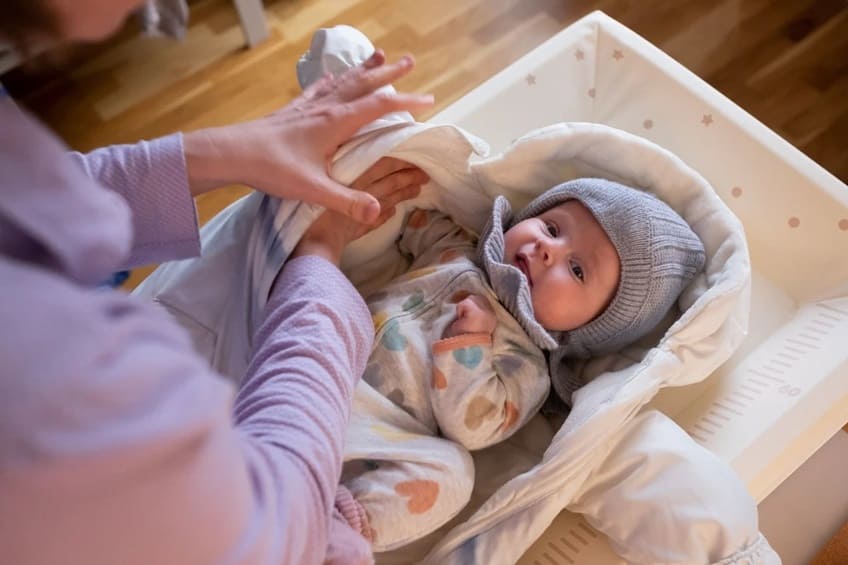
As the weather transitions from late winter to early spring, the chilling cold can make infants susceptible to chills and flu, which is detrimental to their health. Keeping the baby warm is of utmost importance, especially at night. Below are highly effective ways to keep infants and young children warm that Autoru wishes to share with parents.
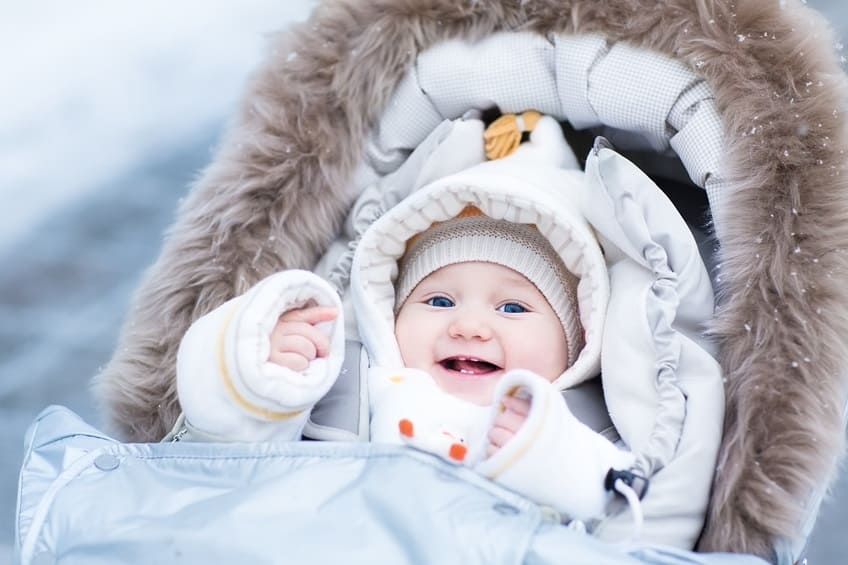
As the weather starts to cool, parents should prepare ways to help keep the baby warm and prevent illness. Typically, babies are more prone to falling ill in cold weather, and sometimes the condition can be more severe than during normal weather. Therefore, to ensure the best warmth for your baby, parents can refer to the following tips shared by Autoru.
Applying warming oil combined with a pre-sleep massage not only prevents the baby from catching a cold or developing respiratory illnesses but also brings other benefits, such as reducing bloating and abdominal distension. It also helps the baby relax, feel comfortable, and enjoy a better night’s sleep.
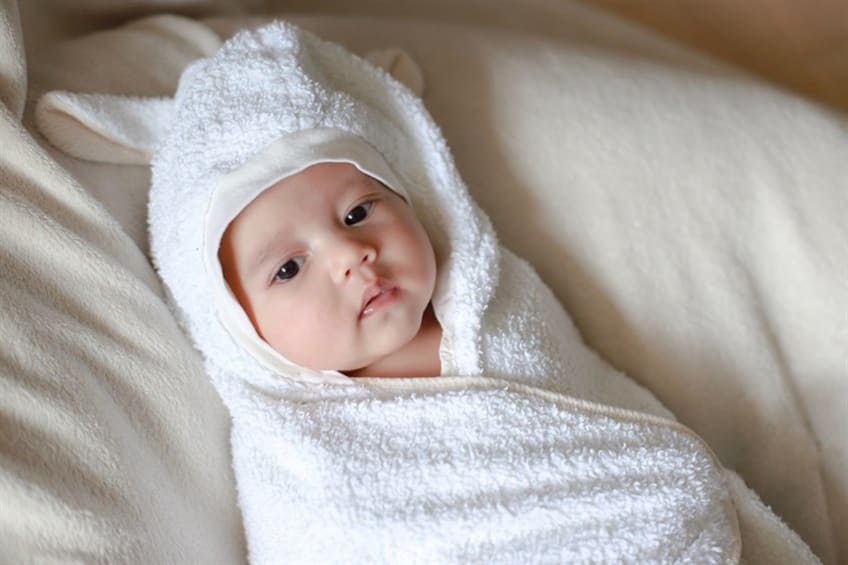
A beautiful swaddle or baby cocoon in the cold season helps keep the baby warm while also preventing them from kicking the blanket off. This small cocoon wraps around the baby, making them feel warm and secure, similar to being in their mother’s arms, thus reducing the chances of them being startled awake during sleep. Parents should choose swaddles made of soft, sweat-absorbent, and breathable material to ensure safety for the baby’s sensitive skin.

The head is where the body loses heat most easily, especially for young babies whose bodies are not fully developed. Therefore, parents should prepare a wool, cotton, or well-insulated hat for the baby. It is best if the hat can cover the ears completely. When choosing a hat, parents should select a size that fits well, avoiding anything too tight to ensure the baby is comfortable. When taking the baby outside in freezing temperatures, a hat is an essential accessory to keep the head warm and prevent issues like colds or ear infections. If the indoor temperature feels cold, a thin cap can be used to ensure the baby is always protected.
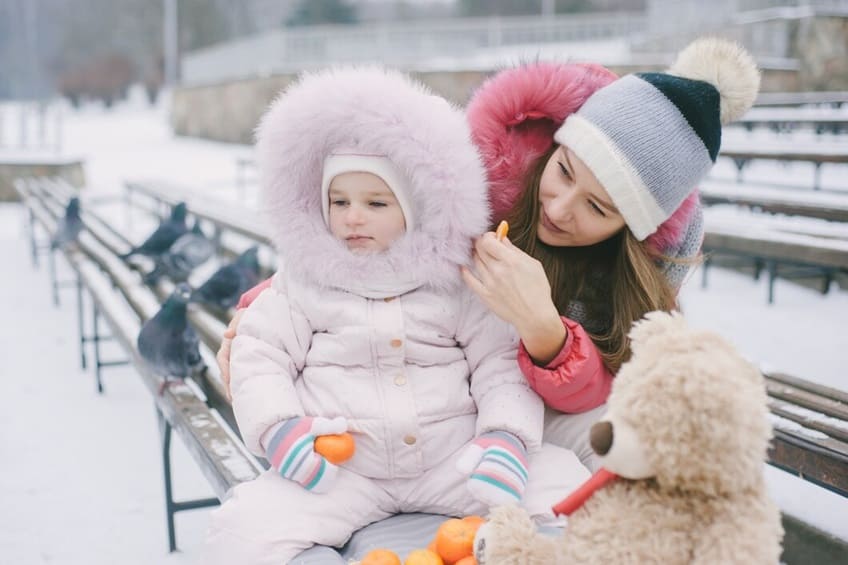
Selecting the right clothing for your baby in cold weather is also crucial for keeping them warm. Here are some suggestions to help parents choose suitable outfits:
Choosing the right clothing not only helps keep the baby warm effectively but also ensures comfort, allowing them to play and move freely during the cold season.
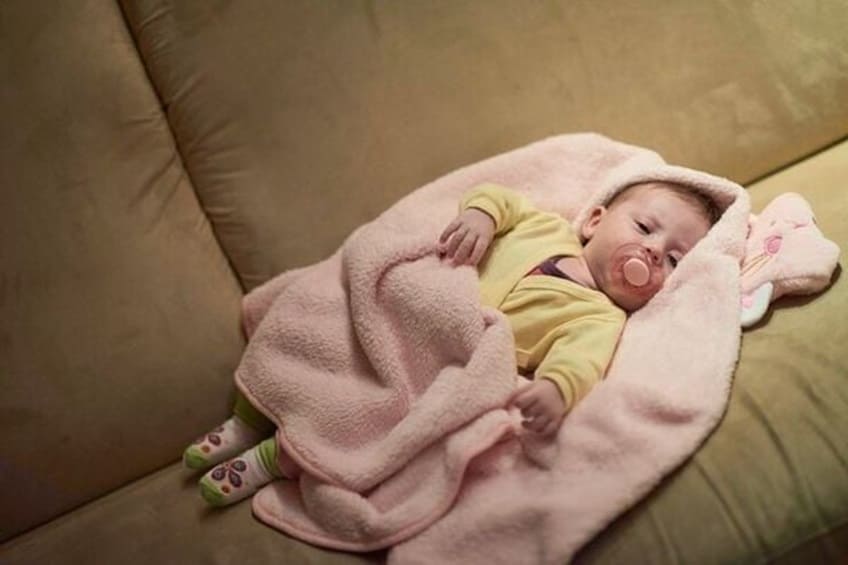
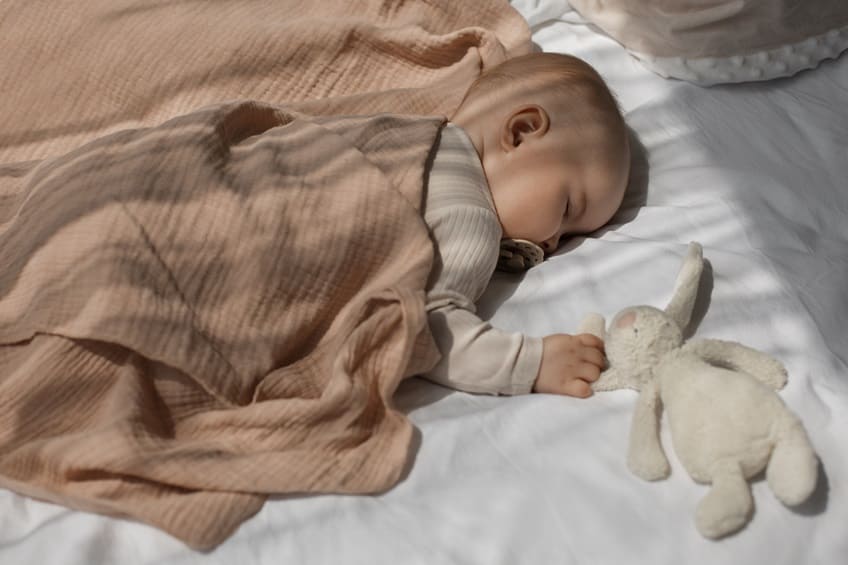
To ensure the baby has a safe and sound sleep, keeping them warm is vital, especially during cold weather. First, parents should choose and dress the baby in appropriate clothes made from soft, breathable materials like cotton to keep them warm yet airy. When covering the baby, parents should use blankets that are just right—not too thick—to avoid the risk of suffocation. The ideal temperature in the sleeping area when using air conditioning is 26C degrees to 28C degrees. Parents should also remember to put a thin hat or socks and mittens on the baby if the weather is extremely cold.
Parents should regularly check the baby’s body temperature by touching the nape of the neck or the back to know if they are too cold or too hot. A warm sleep not only keeps the baby healthy but also brings peace of mind to the parents.
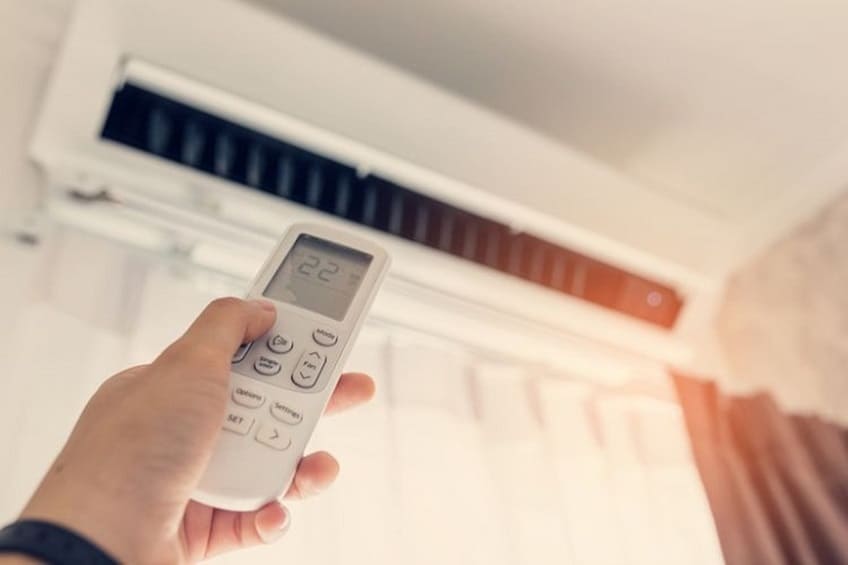
As the weather gets cold, parents should keep the baby warm and adjust the room temperature to be adequately cozy, avoiding drafts to prevent the baby from catching a chill. The ideal temperature in the child’s bedroom is between 25C degrees and 27C degrees. If using air conditioning, a humidifier or a small basin of water should be placed in the room to make the air more comfortable and prevent dryness that could affect the baby’s respiratory system.
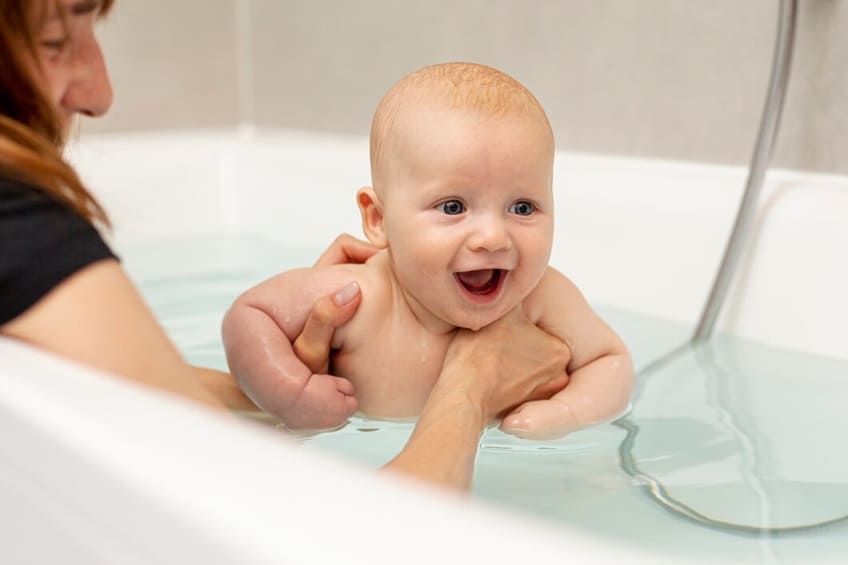
When the weather turns cold, bathing the baby can be difficult, as the water temperature must be adjusted precisely to ensure the baby feels comfortable and safe. The best water temperature is around 36C degrees to 38C degrees, as this is close to the baby’s body temperature. Parents can use a thermometer to measure the water temperature or test it by placing their elbow in the water; if it feels comfortably warm—not too hot or too cold—it is suitable for bathing the baby.
Parents should prepare towels and clothes before bathing the baby.The room should be kept sealed off from drafts, and the bath time should be kept short. Do not allow the baby to soak in the water for too long, as this can easily lead to a cold and affect their health.
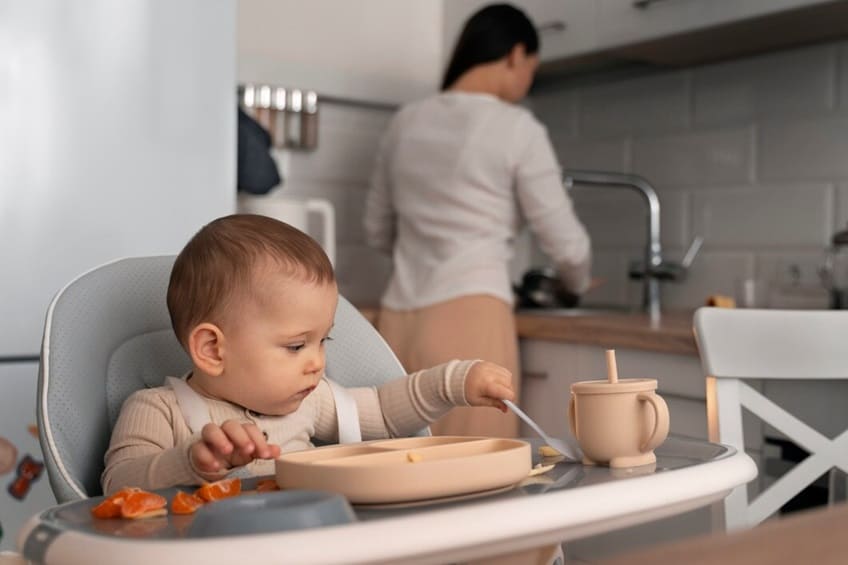
Few parents may know that food also plays a role in keeping the baby’s body warm during cold days. Warm, nutritious meals like porridge or soup are not only easy for the baby to digest but also provide energy for the body to generate heat. Parents should prioritize foods rich in vitamins and minerals, such as carrots, sweet potatoes, pumpkin, or various beans. Ginger is also a natural warming ingredient, but parents should avoid giving the baby too much.
Additionally, warm milk or warm water are good choices to help the baby feel comfortable and keep their body warm. And parents should remember to ensure the baby drinks enough water, as a well-hydrated body helps the circulatory system work more efficiently, thereby maintaining a stable temperature for the baby.
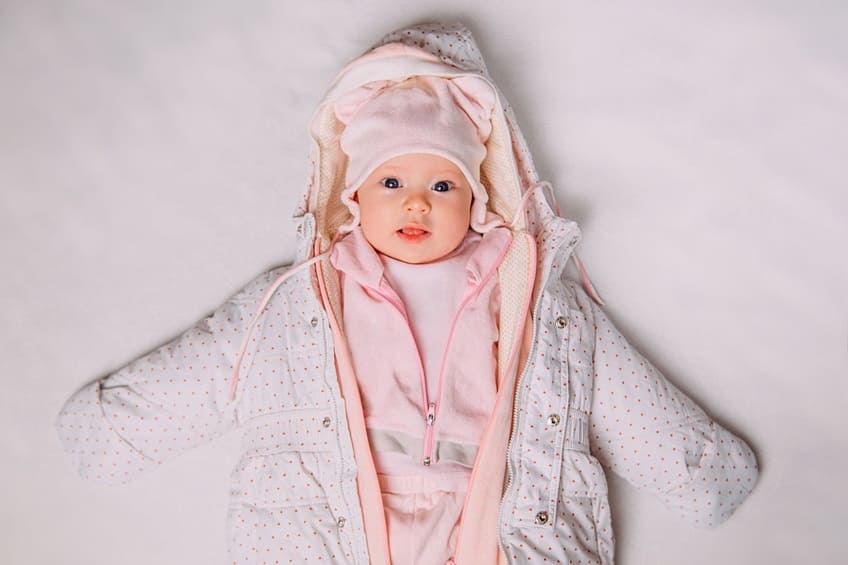
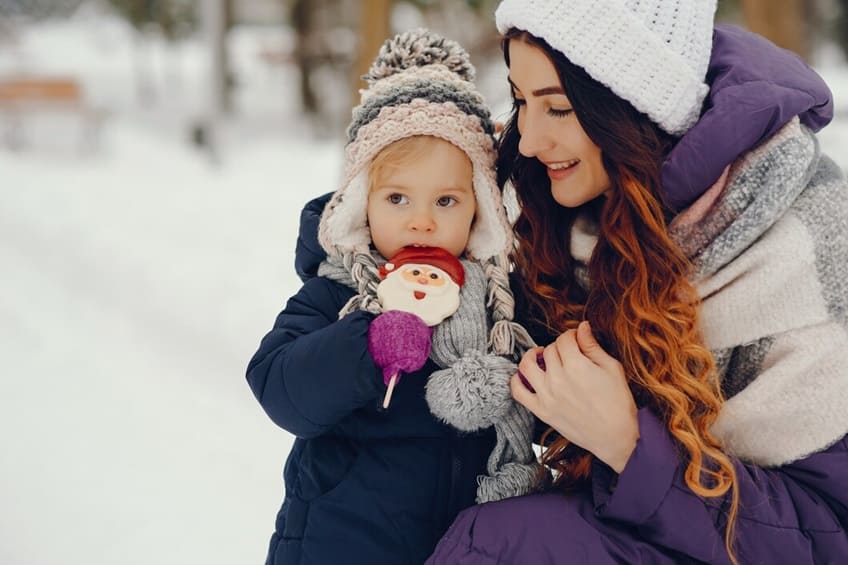
When parents take the baby out in cold weather, keeping the baby warm is the top priority. Parents should dress the baby in full layers of clothing, starting with a soft and heat-retaining material like cotton or thin wool for the innermost layer. For the next layer, parents should choose a thick jacket that is windproof and water-resistant if necessary. Parents should also remember to use a hat, a scarf, gloves, and warm socks to protect vulnerable areas like the baby’s ears, hands, and feet.
If using a stroller, parents should equip it with a warm blanket or a stroller cover to block the wind and limit the baby’s direct exposure to cold air for extended periods. Parents should check frequently to ensure the baby is neither too hot nor too cold.
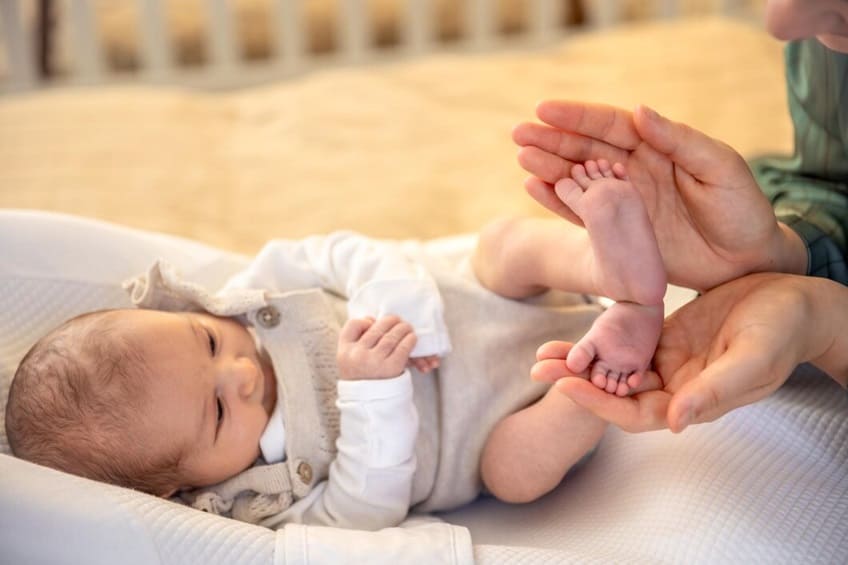
The hands, feet, and throat are parts of the baby’s body that are highly susceptible to the cold, especially in young children. To keep the hands and feet warm, parents should dress the baby in gloves and socks made from good heat-retaining materials like wool or cotton. The gloves and socks should fit well, not too tight, to ensure the baby feels comfortable.
The throat area is particularly sensitive and prone to cold, which can lead to coughing or a sore throat. Parents should wrap a soft, thin scarf around the baby’s neck to ensure easy breathing. When the baby is outdoors in the cold, parents should protect the throat internally by avoiding giving them cold water or cold foods. Keeping these areas well-insulated will help the baby stay healthy and avoid catching a cold.
Keeping your baby warm during cold weather is essential, as it not only helps them stay healthy but also supports their comprehensive development during their first months of life. Parents should always be well-prepared, from choosing appropriate attire to ensuring adequate nutrition to keep the baby warm from the inside out. Through the information above, Autoru India hopes parents can effectively keep their baby warm and limit the incidence of colds. And don’t forget to explore the products offered by Autoru below!
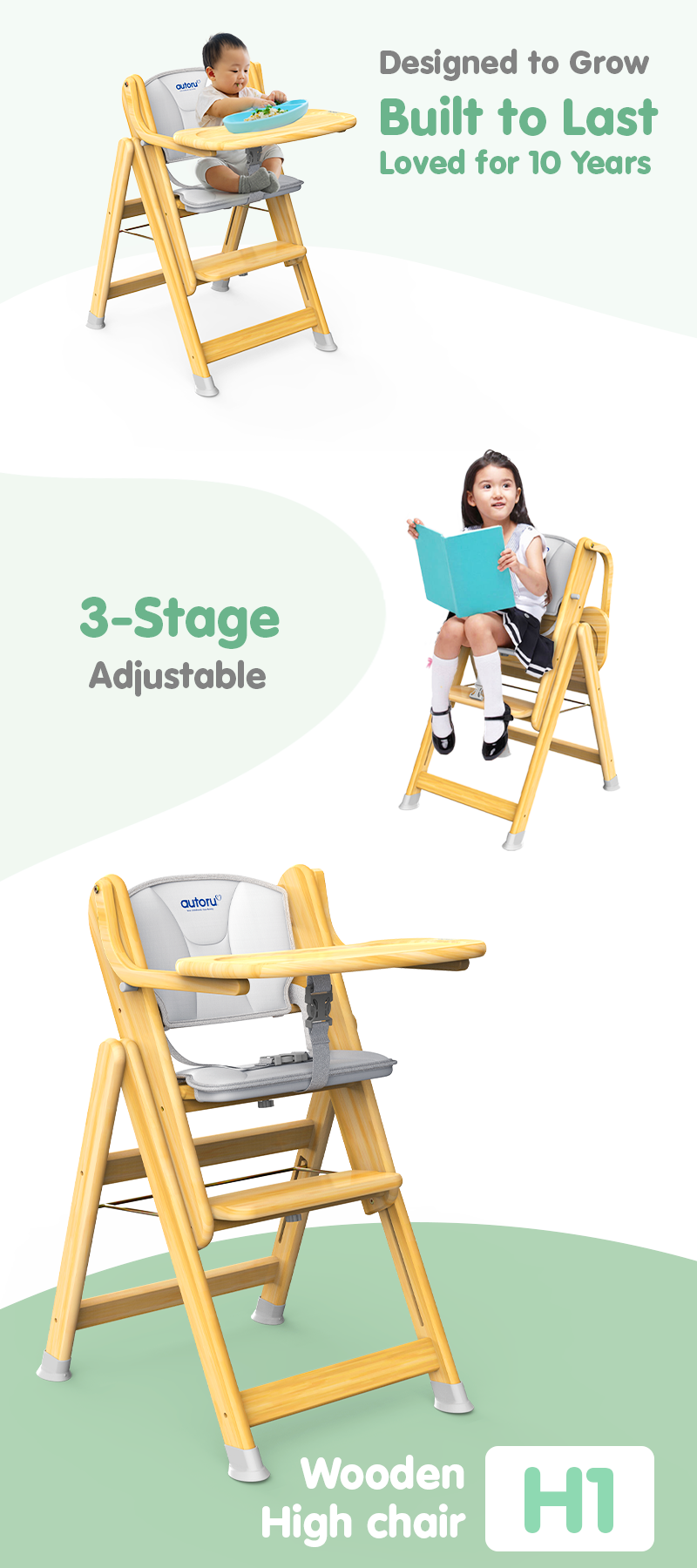
For modern parents, there is perhaps no greater concern than the rising prevalence of hunchback and myopia among children at

Almost every expectant mother experiences morning sickness during her pregnancy journey. In this phase, cravings often take over – some
The greatest fear for new parents isn’t the mess of diapers – it’s the long, wakeful nights and the inconsolable