
Craving sour food during pregnancy: Is it a boy or a girl?
Almost every expectant mother experiences morning sickness during her pregnancy journey. In this phase, cravings often take over – some

For modern parents, there is perhaps no greater concern than the rising prevalence of hunchback and myopia among children at younger ages. Often, we only take notice when a child stoops low over a desk or develops a “shrimp-like” rounded back. However, poor postural habits are silently formed much earlier – during floor play, mealtime or those first moments of learning to write. Correcting a child’s sitting posture is more than just about physical appearance, it is a vital investment in their lifelong health. Understanding these anxieties, Autoru India is committed to partnering with parents to explore age – appropriate sitting standards. We aim to identify common mistakes and provide effective solutions to protect your child’s developing skeletal system and vision. This article serves as a detailed roadmap for parents to cultivate scientifically – backed sitting habits from the very first steps of their child’s journey.

During the formative years, a child’s skeletal system is still undergoing the process of ossification. While their bones are highly elastic, they are also extremely vulnerable to deformation caused by repetitive, incorrect postural pressure. When a child maintains a poor sitting posture for prolonged periods, the spine is subjected to uneven compression, leading to conditions such as scoliosis (spinal curvature), kyphosis (hunchback), or uneven shoulders. This does not only affect their physical aesthetics and stature but also significantly stunts their maximum height potential in adulthood. Consequently, these physical deformities can lead to a loss of self-confidence in social interactions and future professional environments.
Vision is one of the most directly affected areas due to poor sitting habits. When children tend to lean too closely to books or electronic devices, the substandard distance forces the eye’s accommodative muscles to overwork at a high intensity. This is a leading cause of early-onset myopia (nearsightedness) and astigmatism in today’s digital age. Furthermore, a slouched posture or leaning the chest against the table edge compresses the thorax and abdominal region, obstructing healthy respiration and blood circulation. When the oxygen supply to the brain is compromised, children easily fall into a state of fatigue and poor concentration, directly leading to a decline in academic results and even affecting their daily digestive process.
See more: Craving sour food during pregnancy: Is it a boy or a girl?

Every major growth milestone in a child’s life requires specific attention to sitting postures that align with their evolving physiological and orthopedic characteristics. By understanding this developmental roadmap, parents can support their children through a scientific approach – avoiding the risks of premature physical strain or allowing improper, spontaneous habits to take root.
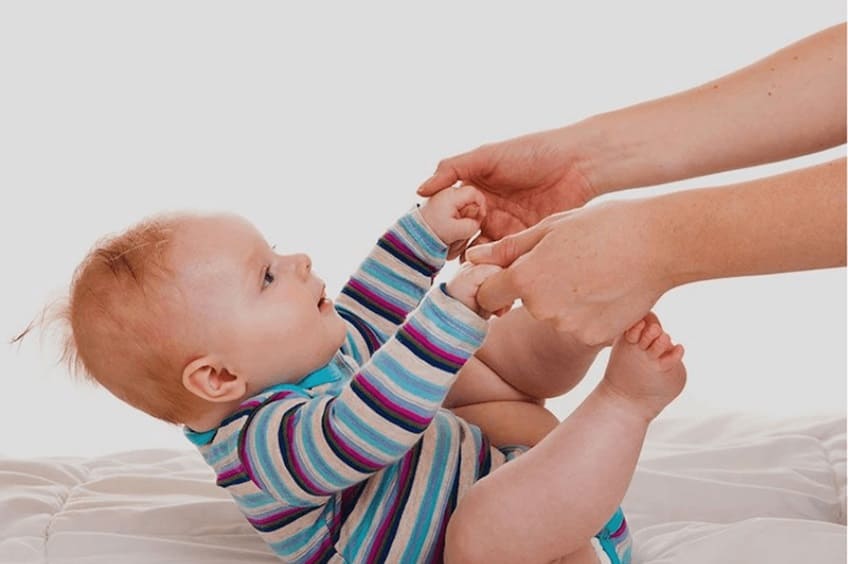
This is the foundational stage when your baby transitions from lying down to sitting up to explore their surroundings. Parents should only begin sitting practice when the baby’s neck and back muscles are sufficiently strong – typically indicated by their ability to lift their head and hold their chest up while during tummy time.
There are three supportive sitting postures recommended for this stage:
It is crucial to avoid forcing your baby to sit prematurely before their muscular system is ready, as this can negatively impact the pelvic structure and their future walking gait.
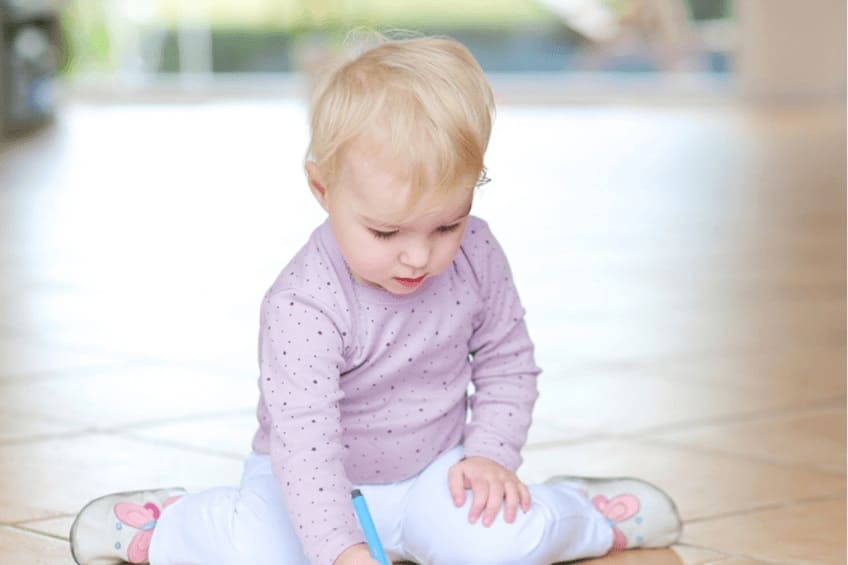
During the preschool years, children spend a significant portion of their day engaging in free play on the floor. The ideal sitting postures for this stage are cross-legged sitting (Sukhasana style) or side-sitting, as these positions help maintain the spine’s natural alignment. However, the key is not to confine your child to a single fixed position, but to encourage frequent postural changes. Alternating sitting styles ensures balanced muscle development and prevents prolonged pressure on specific joints. This dynamic approach to sitting builds a strong foundation for a flexible, robust, and healthy musculoskeletal system in the long run.
This is a critical stage as children begin to spend several hours daily at a study desk, requiring high levels of sustained concentration. Unlike free play, studying demands a higher degree of physical stability. Without parental guidance and supervision from the very first day, children often lapse into temporary “comfort” positions that secretly harbor the seeds of skeletal misalignment. Now is the time for parents to establish a standardized study-sitting routine. By doing so, you help your child develop a natural reflex for correct posture every time they sit at their desk, ensuring both their physical health and academic focus.
See more: A high chair helps the baby maintain the correct sitting posture and minimizes spitting up
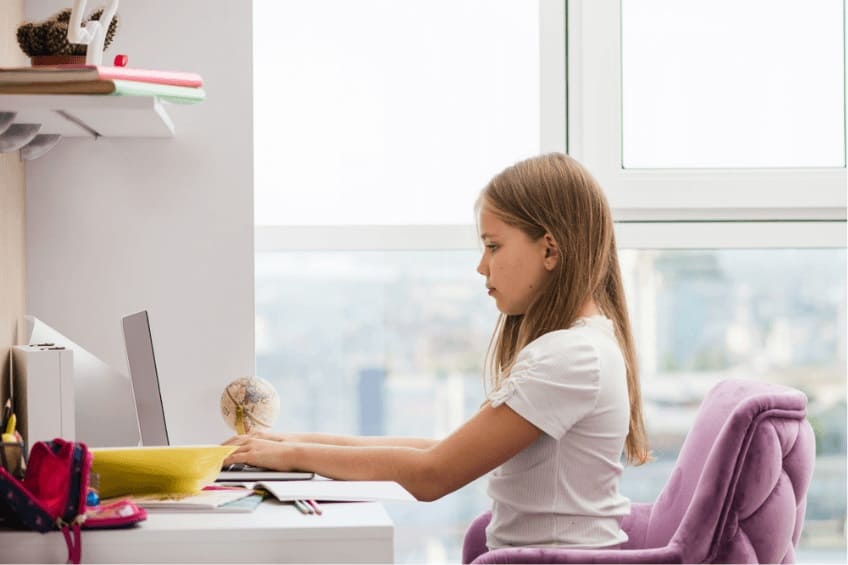
A scientifically-backed study posture is vital not only for protecting a child’s health but also for optimizing their academic efficiency. To ensure maximum comfort and focus, parents should guide their children to adhere to the “Five-Point Alignment Rule,” which harmonizes the positions of the back, legs, arms, eyes, and neck.
A child’s back must always remain straight and perpendicular to the chair seat, with a slight lean against the backrest to alleviate compressive pressure on the lumbar vertebrae. The feet should be placed flat on the floor or a footrest, ensuring the thighs are parallel to the ground, creating a precise 90-degree angle at the knees. With a stable foundation for the feet, body weight is distributed evenly, preventing the child from slouching or sliding forward on the chair. Both arms should rest comfortably on the desk surface, with the elbows bent at an angle of 90 to 100 degrees. This positioning ensures the shoulders remain relaxed, preventing elevation that leads to tension in the neck, shoulders, and nape (cervical region).
The distance between the eyes and books is a critical factor in safeguarding vision; therefore, maintaining an optimal focal distance of 25 to 30 cm is the ideal standard. Simultaneously, the neck must remain straight, avoiding deep tilting or leaning to one side while watching screens or looking at peers’ work. Adhering to these “gold standards” does more than just prevent common school-related ailments like kyphosis (hunchback) and myopia (nearsightedness). It also promotes healthy blood circulation, ensuring the brain remains alert and can absorb information with maximum efficiency.
See more: Understanding white noise and safe usage for infants

As children grow, they often seek sitting positions that offer immediate comfort but silently compromise their skeletal structure. The most critical mistake many parents overlook is the W-sitting position, where a child sits on their bottom with knees bent and feet tucked behind, forming a “W” shape. This posture places excessive stress on the hip joints, causes significant ligament strain, and directly impacts the child’s walking gait. If left uncorrected, it can lead to long-term issues such as bow-legs (genu varum) or persistent toe-walking in the future.
Another prevalent mistake is the tendency of children to slouch over the desk or lean their chest against the table edge while writing. This is the primary cause of kyphosis (hunchback) and myopia (nearsightedness) among students. Leaning against the desk not only misaligns the spine but also compresses the lungs and heart, leading to rapid fatigue and decreased concentration. Furthermore, habits such as leaning to one side or resting the chin on one hand while reading cause the spine to deviate from its natural axis. Over time, this results in scoliosis (spinal curvature), which can be difficult to reverse without specialized physiotherapy or corrective exercises.
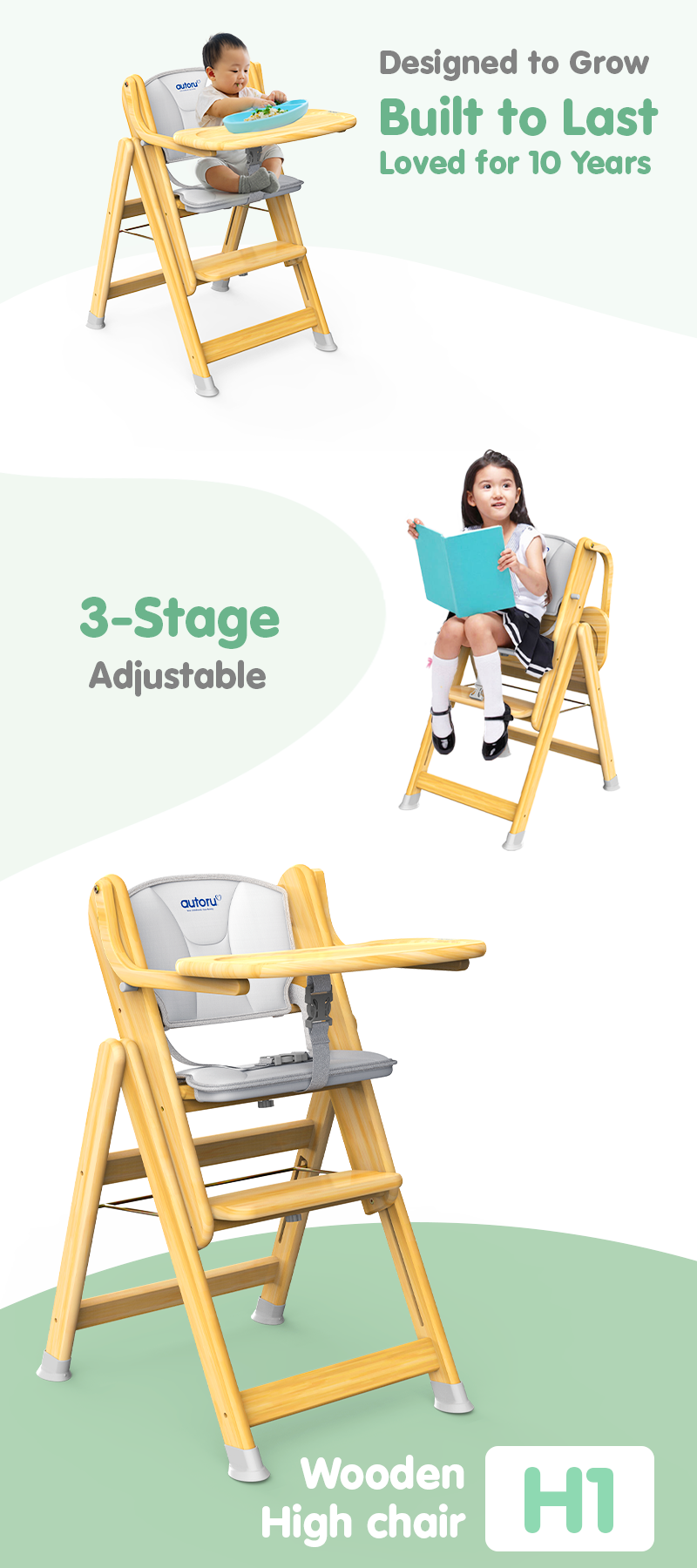
Building a good habit always demands persistence and a clear strategy from parents. First and foremost, invest in a high-quality ergonomic study desk and chair set for your child. These specialized tools offer flexible height adjustments for both the desk and the seat, adapting to your child’s specific growth stages and physical build. This ensures that postural standards are consistently maintained at the ideal state throughout their developmental years.
Alongside ergonomic tools, parents should implement the 20-20-20 Rule to provide comprehensive protection for both vision and skeletal health. The rule is simple: for every 20 minutes of study, remind your child to stand up and look at something 20 feet (6 meters) away for 20 seconds, combined with gentle stretching to relax the muscles. Crucially, parents must lead by example by maintaining correct posture during their own work hours. Children have a powerful instinct to mimic adults; therefore, your personal discipline is the most effective visual lesson. Finally, always motivate your child through positive reinforcement. Praising them for sitting correctly – rather than constantly scolding them for poor posture – helps children take pride in their habits and fosters a self-conscious effort to improve every day.
See more: Protracted infant spit-up and unforeseen consequences
At what month should a baby start sitting up?
While the general consensus is around the 6th month, the most critical factor remains your baby’s musculoskeletal readiness and their ability to maintain steady head and neck control. Parents must strictly avoid rushing the process if the baby’s back strength is still insufficient. Forcing a sitting position prematurely can place undue stress on a developing spine
How to correct w-sitting habits: Effective strategies for parents
The most effective approach is to patiently remind and guide your child to transition into cross-legged sitting (often referred to as the ‘tailor sit’ or Sukhasana) or long sitting with legs stretched forward whenever you notice them folding their legs back. Additionally, fostering a healthy play environment on a comfortable, padded floor surface encourages children to adopt these safer positions naturally during their activities.
Should you buy a posture corrector belt for your child?
Pediatric experts generally recommend against relying too heavily on these devices for young children. Posture corrector belts can inadvertently weaken the natural back muscle groups, as the child no longer exerts the effort required to sit upright independently. Instead, focusing on instilling self-discipline and incorporating physical exercises that enhance core and back strength will yield more sustainable and safer results for a child’s long-term development. A proactive approach to natural spinal alignment is always superior to external support.
Training children in the correct sitting posture is a long – term journey that demands patience, understanding, and parental intuition. A strong spine and clear vision are among the most precious assets we can protect for our children from their very first steps. By staying present, observing, and offering gentle guidance, we ensure that every hour of study and play is spent in the most ergonomic and scientifically sound position. Remember, the small efforts we make today to refine their posture are the solid building blocks for a tall, confident stature and a sharp, focused mind in the years ahead.
Almost every expectant mother experiences morning sickness during her pregnancy journey. In this phase, cravings often take over – some

The greatest fear for new parents isn’t the mess of diapers – it’s the long, wakeful nights and the inconsolable

Are you a distributor looking for a reliable source of baby products but unsure where to turn? Look no further