



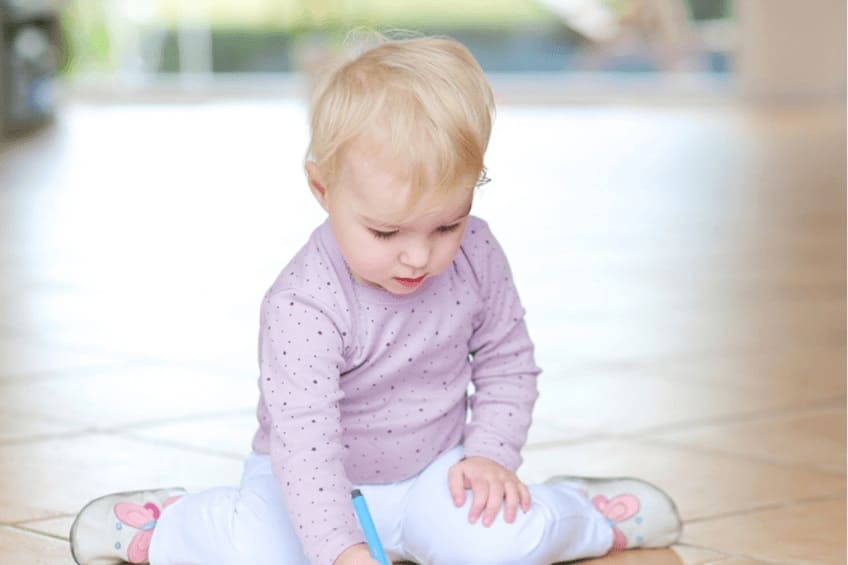
Protect your child’s spine and eyesight with the right sitting posture
For modern parents, there is perhaps no greater concern than the rising prevalence of hunchback and myopia among children at

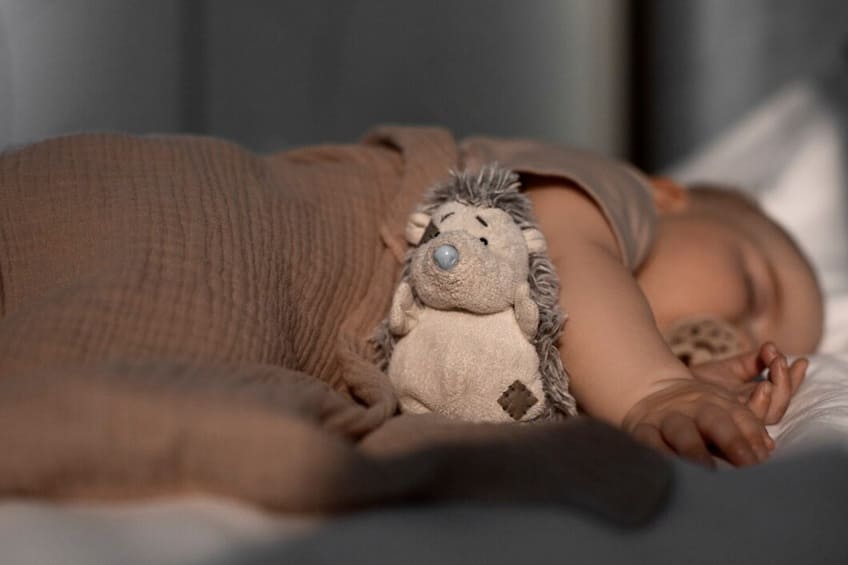
Newborn sleep is incredibly important, directly impacting brain development and the growth of vital organs. In reality, newborns spend most of their time sleeping—averaging 16 to 18 hours a day during their first two weeks. However, they wake up frequently and rarely sleep for more than 4 hours at a time, even at night. There are many more fascinating facts about newborn sleep that you may not have discovered yet. Join Autoru as we dive into the secrets of baby sleep in the following article!

Believe it or not, newborns can often sleep through the loudest noises or the brightest lights. Having spent nine months in the womb, your baby is used to a environment that was far from silent. In fact, the rhythmic sounds of a mother’s heartbeat, the humming of the digestive system, and other bodily functions were actually quite loud to them. However, as babies transition out of this newborn phase and adapt to the outside world, their sleep patterns evolve. Once they establish a regular sleep schedule, even the slightest noise can become enough to disrupt their slumber.

It is completely normal to feel exhausted when you have to wake up multiple times a night to soothe or feed your little one. You are certainly not alone; over 95% of mothers with infants under 12 months old share this same experience. On average, babies wake up at least three times every night. While these sleepless nights are challenging, understanding that this is a natural part of early motherhood can help ease the journey.
Read more: Baby Furniture Essentials: What Every Nursery Needs

In fact, not only do babies dream more often, but they also spend significantly more time dreaming than adults do. While adults typically spend only about 20% of their sleep in the dreaming stage, newborns ‘spend’ up to 50% of their total sleep time in this dream-filled state. This high percentage of dream time is vital for their rapid brain growth and cognitive development during those early months.
Swaddling creates a gentle pressure around your baby’s body, providing a sense of security similar to the cozy environment of the womb. This familiar feeling helps soothe them and encourages a deeper sleep. However, parents should keep in mind that every baby is unique; not every little one enjoys being snugly wrapped in a blanket. It is important to observe your baby’s cues to see if they prefer the freedom of movement or the snugness of a swaddle.

During sleep, you might hear your baby hiccuping, making slight whistling sounds, or even noticeable gulping noises in their throat. This is perfectly normal! Additionally, because newborns spend a vast majority of their time dreaming, they often produce a variety of little noises while they are in the dream stage. From tiny whimpers to soft sighs, these ‘sleep sounds’ are simply signs of your baby’s active mind and developing body.

Every baby is unique, and their sleep patterns can vary significantly. Some babies may nap more during the day and sleep less at night, or vice versa. Regardless of the pattern, it is essential for parents to ensure that their child’s sleep is both deep and sufficient. For infants under 12 months, the recommended total sleep time is between 14 to 16 hours per day. This duration will gradually decrease as your baby grows and reaches new developmental milestones.
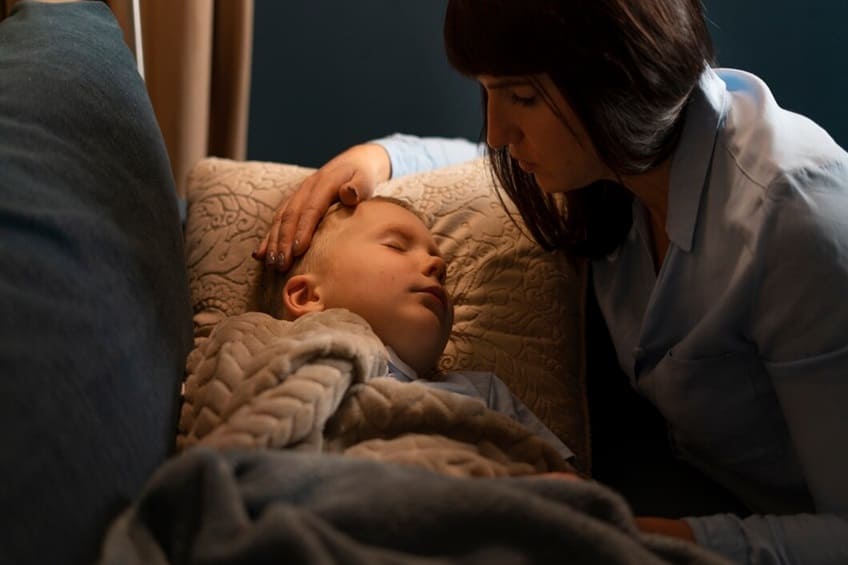
Creating a safe sleep environment is paramount for ensuring your baby’s health and security. A safe space is more than just a place for rest; it is the foundation upon which your baby can thrive and grow. First and foremost, selecting a crib and mattress suited to your baby’s age is crucial. The crib must feature protective railings to prevent falls, while the mattress should be designed to provide proper support without causing discomfort or skin irritation. Ultimately, a safe sleeping area is a vital component of holistic baby care, safeguarding your little one’s well-being every single night.
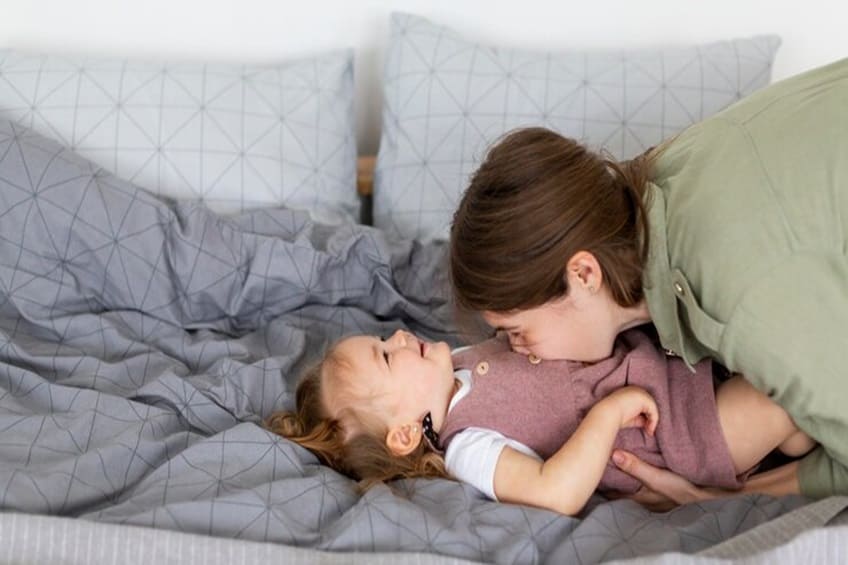
Newborns often have their own unique sleeping styles, and this is completely normal. Every baby may react differently to sleep, depending on their personality, health, and environmental factors. Some babies prefer sleeping on their side, while others might find comfort on their tummy. Additionally, some infants may require being held or gently rocked to ease into their slumber. Understanding these individual preferences is key to helping your baby feel secure and comfortable in their own way.
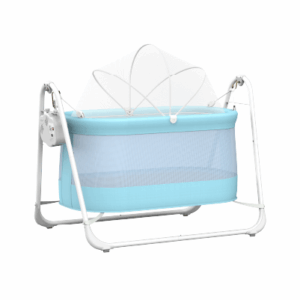
Parents often find themselves on a journey to discover the best sleeping practices tailored to their little ones. This may involve using bolster pillows, investing in an electric baby swing, or curating a quiet and cozy environment. Most importantly, always ensure your baby is placed in a safe sleeping position to eliminate the risk of suffocation and other safety hazards. Finding the right balance between comfort and security is the ultimate key to a peaceful night for both you and your baby.
Read more: The best nutrient rich foods for pregnancy and expectant mothers

A baby’s sleep cycle can vary depending on their age, individual traits, and the surrounding environment. Newborns typically experience short, frequent, and continuous sleep cycles, with naps lasting anywhere from 30 minutes to 3 hours. During this stage, it is perfectly natural for babies to wake up frequently, whether they need to be fed, have a diaper change, or simply require comfort and soothing from their mother.
As your baby grows, their sleep cycles begin to evolve. They may start sleeping through the night without needing to wake up for feedings. However, nighttime sleep can still be interrupted by various factors, such as loose fibers from blankets, environmental noise, or occasional sleep disturbances. Understanding these transitions helps parents better prepare a stable environment for their child’s developing sleep patterns.
As your baby continues to grow, their sleep cycles become more consolidated, resulting in longer stretches of nighttime sleep and fewer awakenings. However, it is still common for older babies to wake up during the night due to nightmares, common colds, or other external factors. Maintaining a consistent bedtime routine and a familiar sleep environment remains crucial to helping them navigate these occasional disruptions.
The secrets of infant sleep are often a realm we may never fully grasp. Every baby has their own unique way of sleeping, influenced by a diverse range of factors. From dreaming about their new world to the rapid maturation of their nervous system and mental development, a child’s sleep is a complex and wondrous process. While we might not understand every mystery occurring during these quiet hours, the most important thing is to provide a safe and comfortable environment that supports their rest and healthy growth. We hope the information provided by Autoru helps you better understand your little one’s sleep journey, allowing you to care for them with even more confidence and love.
Finally, don’t forget to explore Autoru’s range of products to simplify baby care while keeping family costs efficient.

For modern parents, there is perhaps no greater concern than the rising prevalence of hunchback and myopia among children at

Almost every expectant mother experiences morning sickness during her pregnancy journey. In this phase, cravings often take over – some
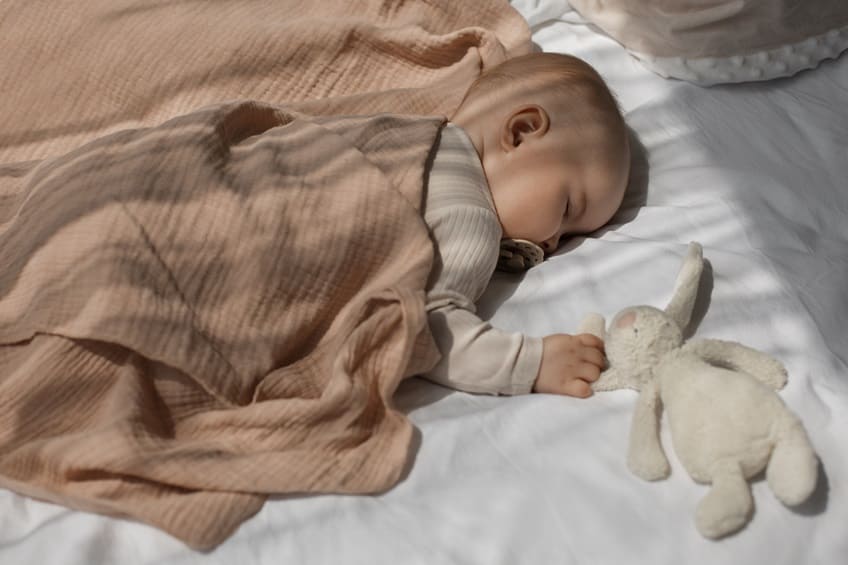
The greatest fear for new parents isn’t the mess of diapers – it’s the long, wakeful nights and the inconsolable