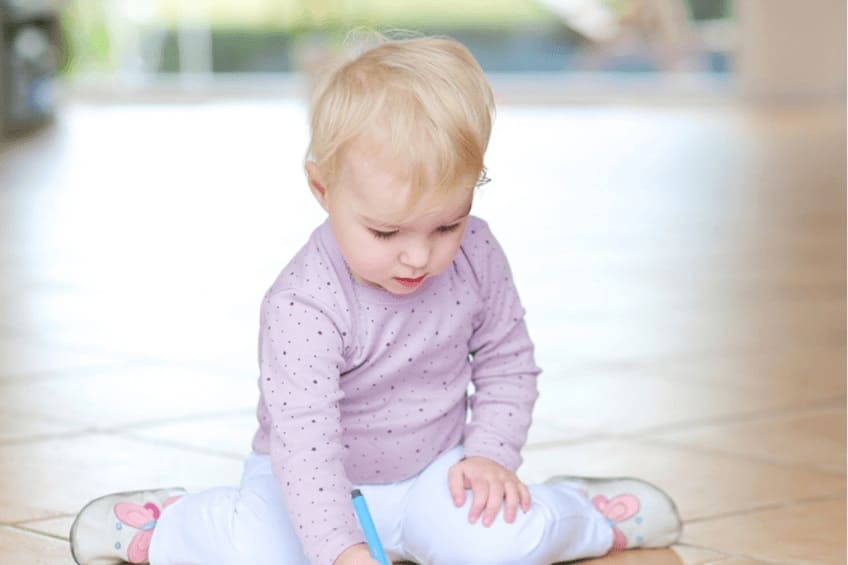
Protect your child’s spine and eyesight with the right sitting posture
For modern parents, there is perhaps no greater concern than the rising prevalence of hunchback and myopia among children at

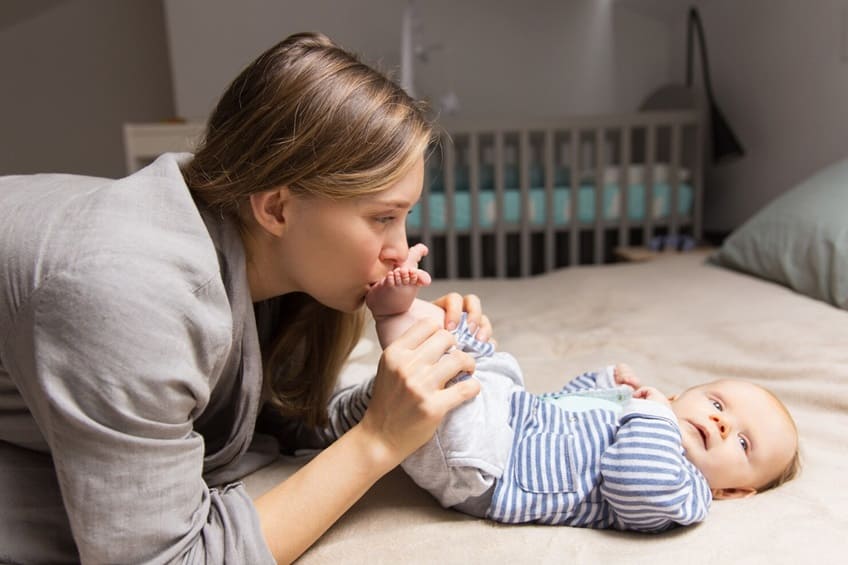
Spit-up (regurgitation) might seem like a simple physiological occurrence in infants and young children. However, if a baby experiences prolonged spit-up, the consequences for their health are no longer simple! Regurgitation in young children stems from various causes, which can be pathological (medical) or related to the baby’s position while feeding or eating. Regardless of the cause, parents need to seek information or consult their baby’s doctor to find ways to remedy and reduce the frequency of this condition. Join Autoru India in exploring the information in the following article to best protect your baby’s health.
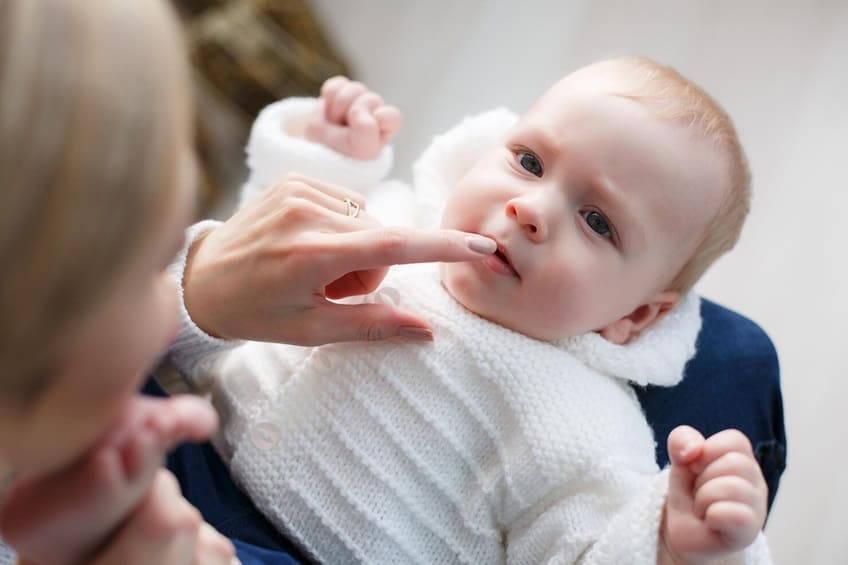
Spit-up (Regurgitation) is a phenomenon where the stomach pushes food or liquid backward up the esophagus and out of the mouth. This is a natural body reflex, often occurring when the stomach is irritated or when there is a digestive issue.
Regurgitation can be caused by various factors, including overfeeding, consuming unsanitary food, motion sickness, stress, or due to digestive diseases such as gastritis, stomach ulcers, or digestive disorders. Children, especially infants, are often prone to spit-up because their digestive system is not yet fully developed. If the regurgitation occurs frequently or is accompanied by other symptoms such as severe abdominal pain, high fever, or dehydration, parents should consult a doctor for timely diagnosis and treatment.
Read more: The best nutrient rich foods for pregnancy and expectant mothers

Prolonged spit-up (regurgitation) in infants can pose several dangers to their health. Spit-up not only reduces the ability to absorb nutrients but can also lead to dehydration, malnutrition, and even severely impact the child’s physical and mental development. This phenomenon can stem from various causes, such as gastroesophageal reflux (GER), digestive disorders, or other medical conditions. Below are the serious consequences of frequent spit-up in babies:
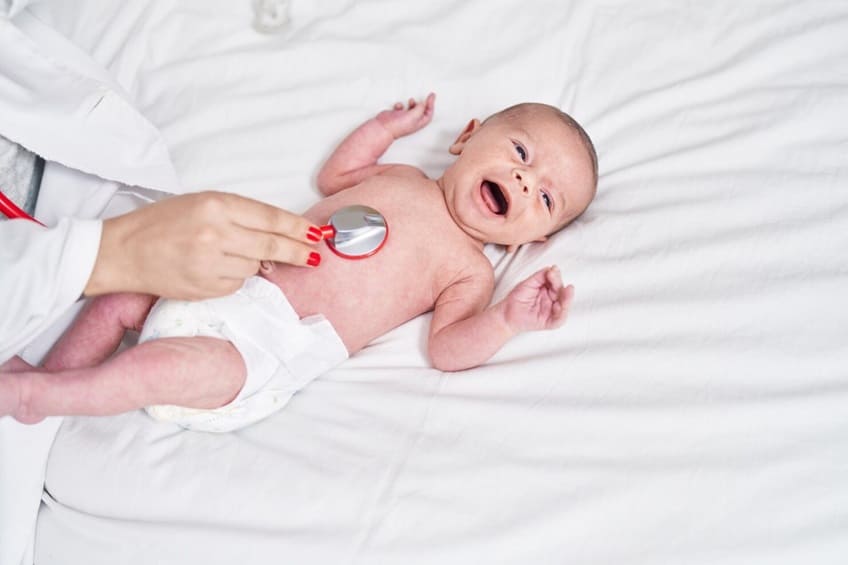
When infants spit up frequently, this condition can lead to severe digestive disorders. Regurgitation not only causes the loss of water and essential electrolytes needed by the body but also results in an imbalance in the gut microbiota (intestinal flora). When digestive disorders due to prolonged spit-up persist, they can cause the baby to experience abdominal pain, diarrhea, or constipation.
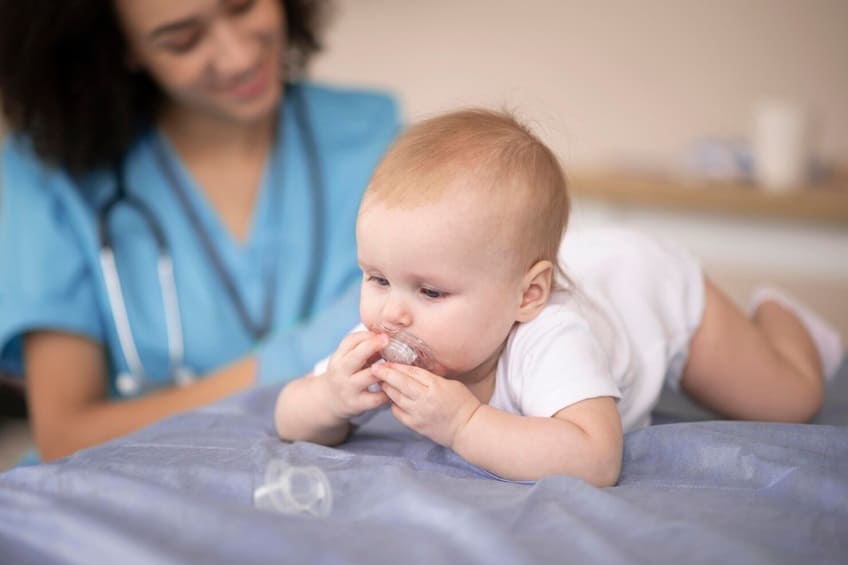
Continuous spit-up in babies can damage the mucosal lining of their esophagus and stomach, potentially leading to inflammation. Symptoms of gastrointestinal inflammation in babies may include abdominal pain, diarrhea, fever, and discomfort. This condition not only affects the baby’s health and development but also causes difficulties in eating and nutrient absorption.
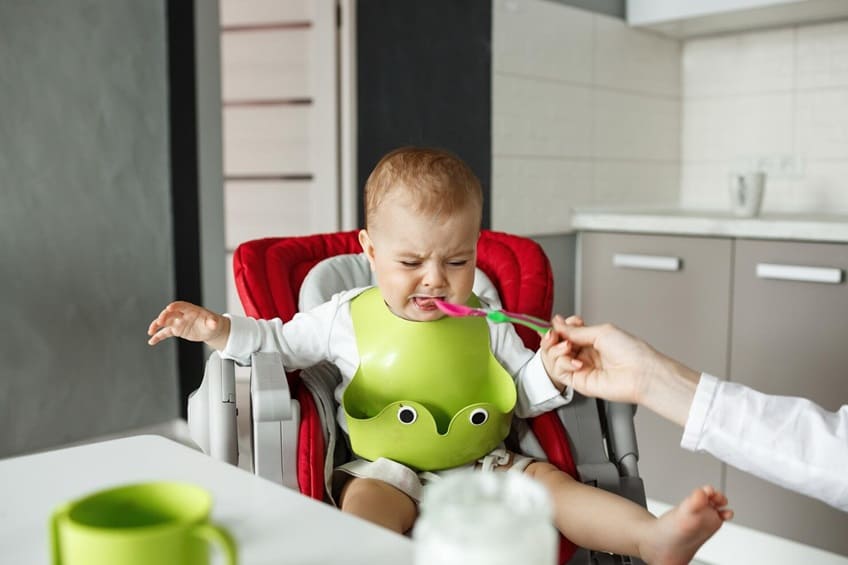
Prolonged spit-up in infants can lead to a condition known as loss of appetite (feeding aversion). Persistent regurgitation can damage the baby’s esophagus and digestive system, causing them to lose their appetite and desire to eat. This results in the baby’s body not absorbing enough nutrients, leading to weight loss and, sometimes, reduced immunity.
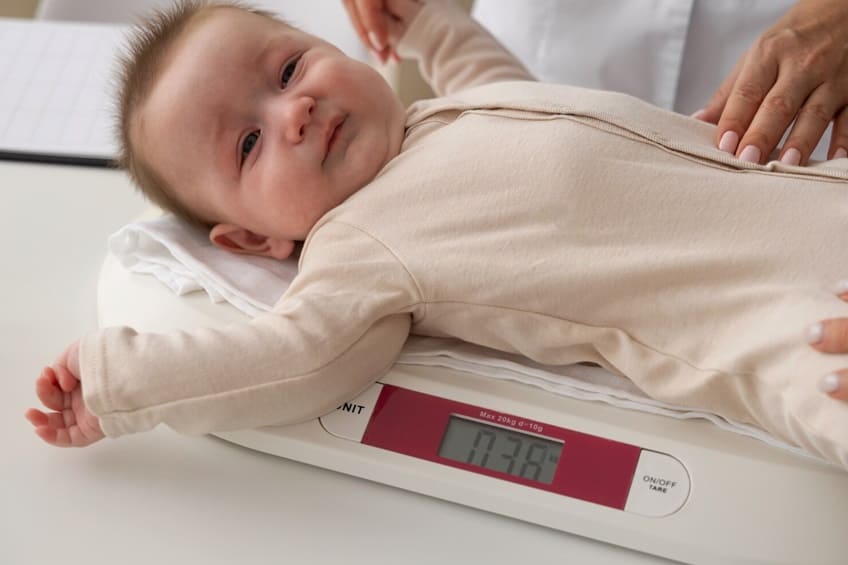
Prolonged spit-up prevents the baby’s body from absorbing adequate nutrition and often leads to electrolyte deficiency. In the long term, the baby will suffer from malnutrition and lag behind other normal children in terms of height, weight, and intellectual development.

Frequent spit-up will cause the baby to constantly feel uncomfortable and fatigued, which can lead to a difficult temperament, fussiness, and irritability. In some cases, if parents do not intervene promptly, this can also lead to eating disorders, insomnia, and depression.
If not treated in time, prolonged spit-up can lead to serious complications. Therefore, parents need to monitor their children closely and take them to a healthcare facility for examination and consultation with a doctor to ensure the best health and comprehensive development of their beloved child.

There are numerous reasons why infants experience frequent spit-up, including both physiological and pathological factors. One of the common causes is gastroesophageal reflux (GER), where the sphincter between the stomach and the esophagus does not function properly, allowing food to be easily pushed back up. Additionally, babies may spit up due to overfeeding, consuming unsanitary food, or having food allergies. Medical conditions such as gastritis, enteritis (inflammation of the intestines), or digestive disorders can also cause this phenomenon. Sometimes, stress and anxiety can also increase the likelihood of spit-up in children.
There are numerous medical conditions that can cause children to spit up, and understanding the root cause is crucial for effective treatment. Gastritis and enteritis are also common causes, leading to irritation and inflammation in the digestive tract. Digestive disorders, such as lactose intolerance or food allergies, can also result in regurgitation. Furthermore, infections like pneumonia, otitis media (middle ear infection), or gastrointestinal viral infections can also cause spit-up in children.

When an infant experiences prolonged spit-up, parents need to take several measures to ensure the child’s health and development.
First, take the child to see a doctor for a thorough examination and accurate diagnosis of the cause of regurgitation. The doctor may request additional tests or examinations to find any underlying issues. While awaiting the results, ensure the child is adequately hydrated to prevent dehydration.
If the child is still breastfeeding, continue feeding but divide the milk into smaller, more frequent meals. For children who have started solids, choose easily digestible foods and break down the meals into smaller portions. Avoid overfeeding the child or letting them lie down immediately after eating. At the same time, keep the child in an upright position for about 30 minutes after the meal to reduce the risk of spitting up. Monitor the child’s condition and record any changes so you can provide detailed information to the doctor during the examination.
Read more: Baby furniture essentials: What every nursery needs
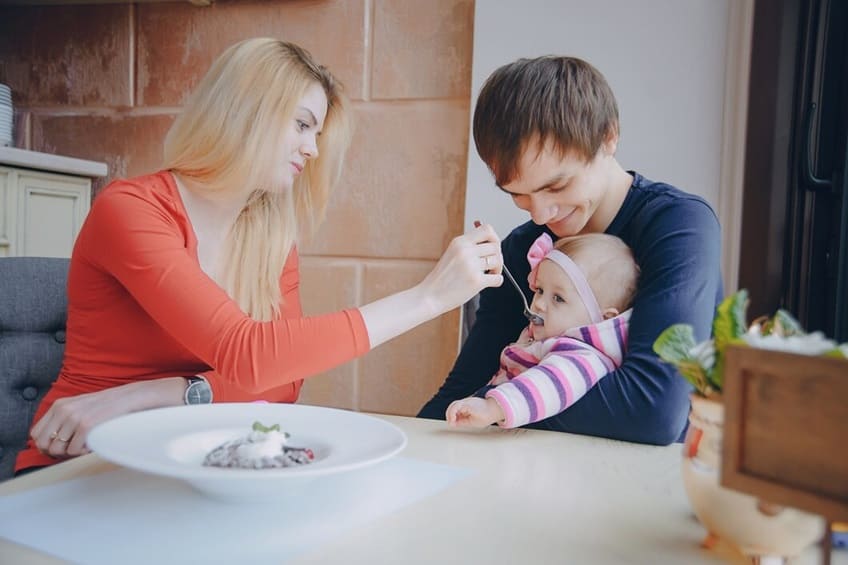
When babies are young, their digestive system is still weak, making them prone to spit-up. However, parents can still improve this condition through small changes for their baby. Below are some things parents need to keep in mind to reduce the frequency of spit-up in their baby.
Feeding the baby more frequently with smaller amounts of food is an effective method to reduce spit-up. When the baby consumes a small amount of food at each sitting and spreads the meals throughout the day, their stomach can digest and absorb the food more easily. This helps prevent the baby’s stomach from becoming overloaded and reduces the risk of reflux. Furthermore, eating smaller, more frequent portions also helps the baby maintain stable energy levels and prevents excessive hunger, which can lead to hurried eating. This method not only helps limit spit-up but also establishes healthy eating habits for the baby from an early age.
To reduce spit-up in babies, ensuring they sleep in the correct position is very important. After feeding, keep the baby in an upright sitting or standing position for at least 30 minutes before laying them down. When the baby sleeps, they should be placed on their side or have the head of the bed slightly elevated to create a gentle incline. This position helps food in the stomach move down easily and reduces the risk of reflux. Avoid letting the baby lie on their stomach or immediately after eating, as this can increase pressure on the stomach and cause spit-up. By ensuring the baby sleeps in the proper position, parents can effectively help minimize the baby’s regurgitation.
Proper feeding technique is one of the effective measures to reduce spit-up. First, ensure the baby is fed in an upright or sitting position, avoiding lying flat to reduce pressure on the stomach and prevent reflux. When feeding, keep the baby’s head and neck aligned with their body so they can swallow more easily.
If bottle-feeding, choose a bottle with an anti-colic design and check the flow rate to ensure milk flows steadily, neither too fast nor too slow. Furthermore, feed the baby slowly and gently burp them frequently to help release air and reduce pressure in the stomach. Feeding the baby correctly will help them nurse more comfortably and minimize the risk of spit-up.
Calcium supplementation for babies can help reduce spit-up by supporting the development and function of the organs in the digestive system. Calcium is not only important for bone and teeth development but also helps improve muscle function, including the lower esophageal sphincter, the organ responsible for preventing stomach reflux. When the esophageal sphincter functions well, the incidence of spit-up is reduced.
Calcium can be sourced from foods such as milk, yogurt, cheese, and green vegetables. If the baby cannot consume milk, parents can use alternatives like soy milk. Additionally, exposing the baby to sunlight to synthesize Vitamin D also supports the effective absorption of calcium. Most importantly, parents should consult a doctor to ensure the baby receives the necessary amount of calcium, thereby helping the baby develop healthily and minimize spit-up.
The baby should not be laid down immediately after drinking milk (feeding) because this can lead to spit-up and gastric reflux. When the baby lies down right after eating or drinking milk, the food and liquid in the stomach are easily pushed back up into the esophagus, causing discomfort and potentially making breathing difficult for the baby. To prevent this, keep the baby in an upright sitting or standing position for at least 20-30 minutes after drinking milk. During this time, you can hold the baby over your shoulder and gently pat their back to help them burp, reducing pressure in the stomach. By establishing this habit, you not only help the baby feel more comfortable but also ensure the digestive process runs smoothly and efficiently.
Prolonged spit-up in infants is a condition that should not be taken lightly, as the potential consequences can severely impact the baby’s health and development. Timely recognition and treatment not only help prevent complications such as malnutrition and dehydration but also ensure the child’s comprehensive physical and mental development. Parents must always monitor their child’s condition, continually seek advice from healthcare professionals, and implement appropriate care measures to protect their beloved baby’s health and future. Parents, don’t forget to check out Autoru’s products!
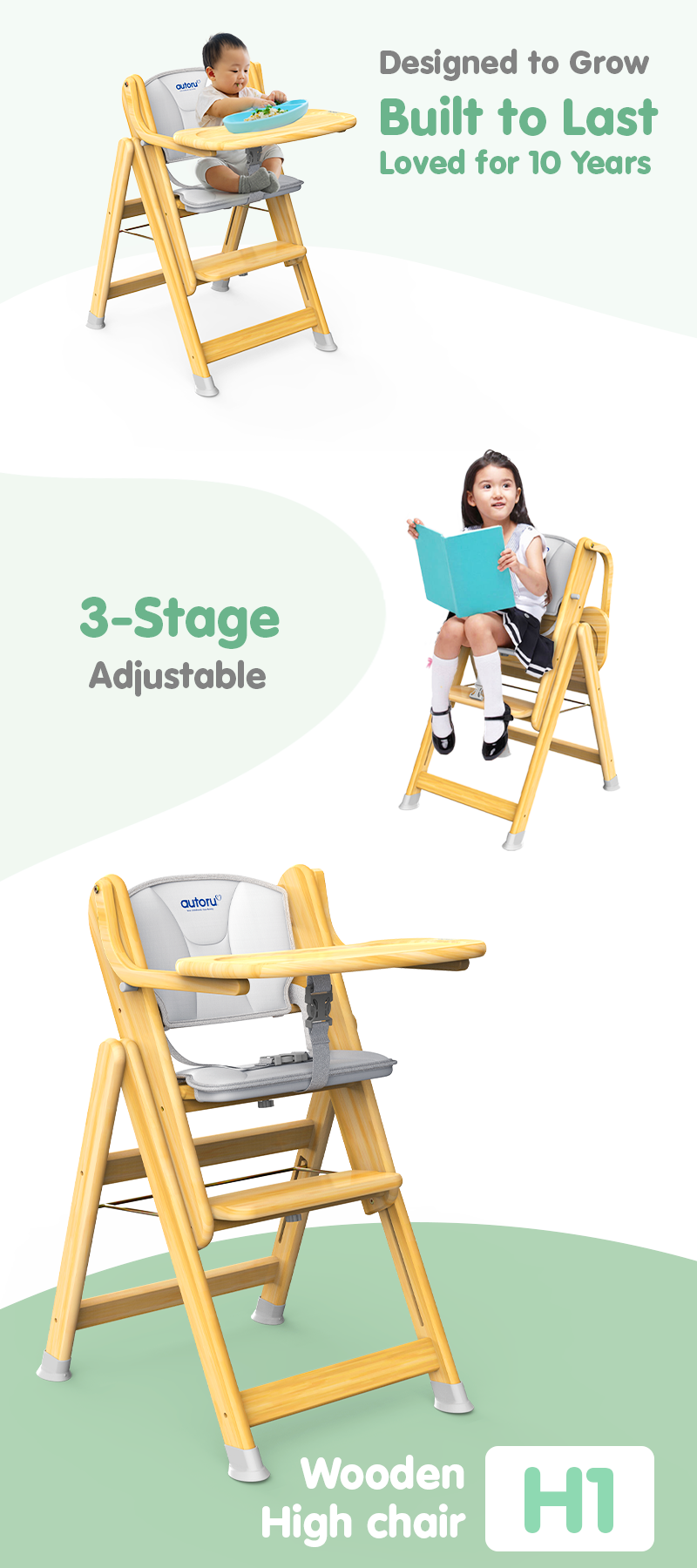
For modern parents, there is perhaps no greater concern than the rising prevalence of hunchback and myopia among children at

Almost every expectant mother experiences morning sickness during her pregnancy journey. In this phase, cravings often take over – some
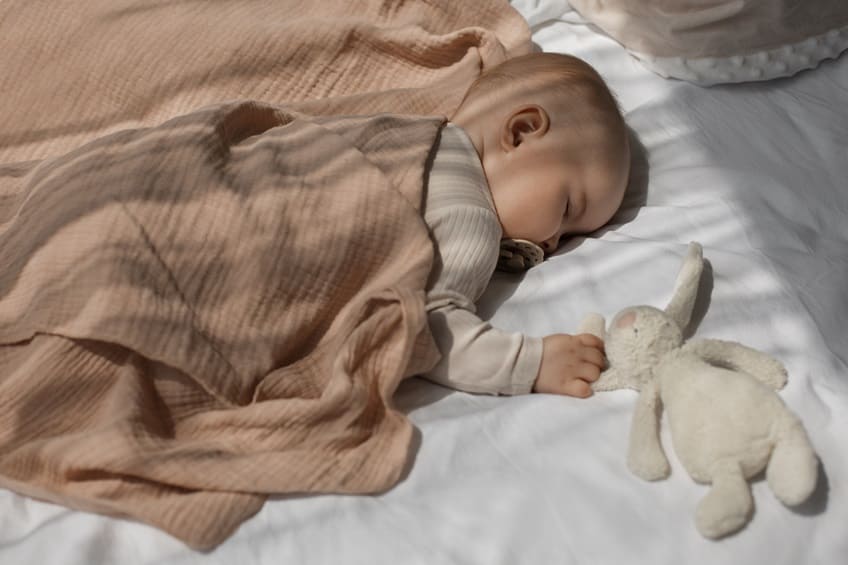
The greatest fear for new parents isn’t the mess of diapers – it’s the long, wakeful nights and the inconsolable